Eventos


El Carnaval 2026 sucedió entre el 14 y el 17 de febrero y, una vez más, confirmó su fuerza como la mayor manifestación cultural del país. Durante cuatro días, millones de personas ocuparon calles, camarotes y avenidas, mientras el entorno digital funcionaba a ritmo acelerado, llevando el alcance de la fiesta mucho más allá de los circuitos oficiales. Más que una celebración, el período se consolidó como uno de los momentos más estratégicos del calendario para las marcas que trabajan con marketing de influencia.
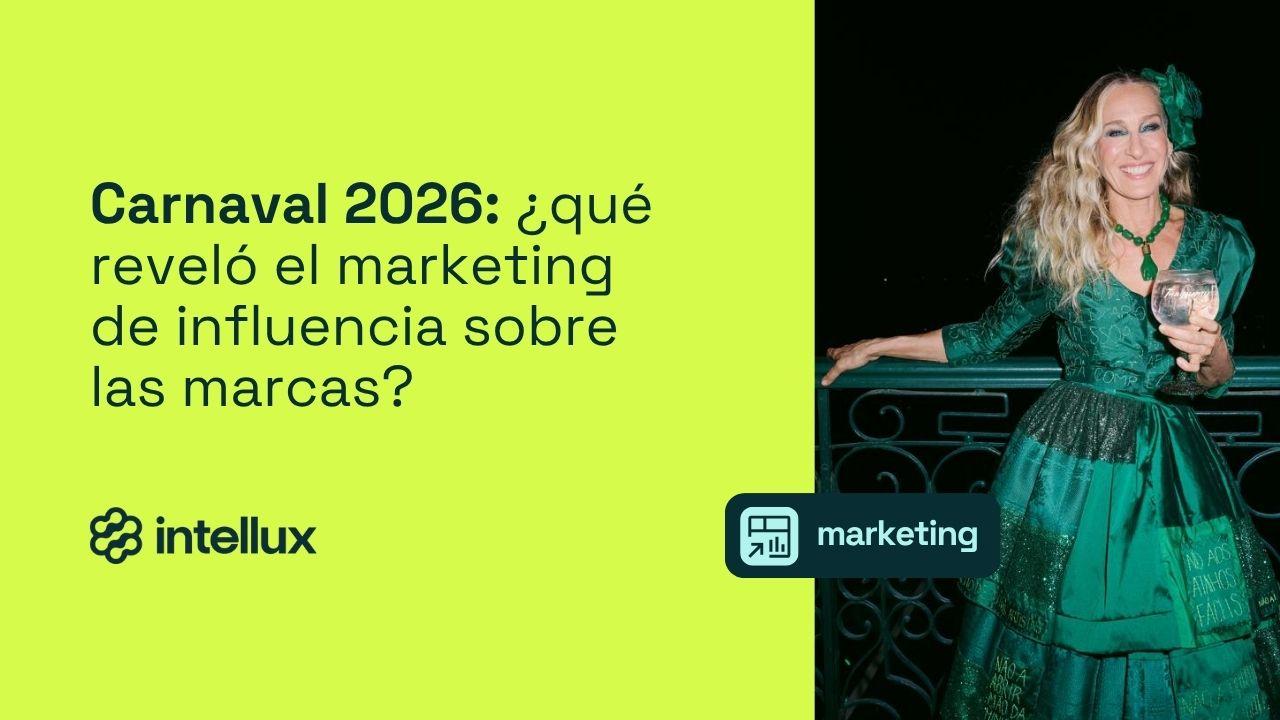
La edición de este año también ganó repercusión internacional con la presencia de nombres como Shawn Mendes, Sarah Jessica Parker, Ricky Martin, Matt Smith, Lauren Jauregui y Ted Reinier. La circulación de estos artistas por el país reforzó el Carnaval 2026 como una vitrina global de cultura, entretenimiento y estilo de vida, impulsando conversaciones en redes sociales y aumentando todavía más la atención del público dentro y fuera de Brasil.
Pero, más allá de los famosos internacionales, lo que realmente marcó el Carnaval 2026 fue la consolidación del marketing de influencia como una herramienta central de performance. Los creadores de contenido actuaron como medios en tiempo real, conectando marcas con consumidores en un contexto de alta emoción, engagement y decisión rápida. Ahora, en el pos-Carnaval, el foco se vuelve hacia los resultados y aprendizajes que dejaron campañas que fueron mucho más allá de simplemente estar presentes en la fiesta.
Tanqueray llevó a su embajadora global, Sarah Jessica Parker, al Baile da Arara, uno de los eventos más tradicionales del Carnaval de Río de Janeiro. La actriz participó activamente en la experiencia, ubicándose detrás de la barra junto a la mixóloga y embajadora de la marca Néli Pereira para preparar drinks de autor con ingredientes brasileños, como la jabuticaba en el Iconic Martini. La acción ocurrió durante el Carnaval 2026 y marcó el debut de Sarah en la fiesta brasileña de forma integrada a la campaña global “El poder de los no”.
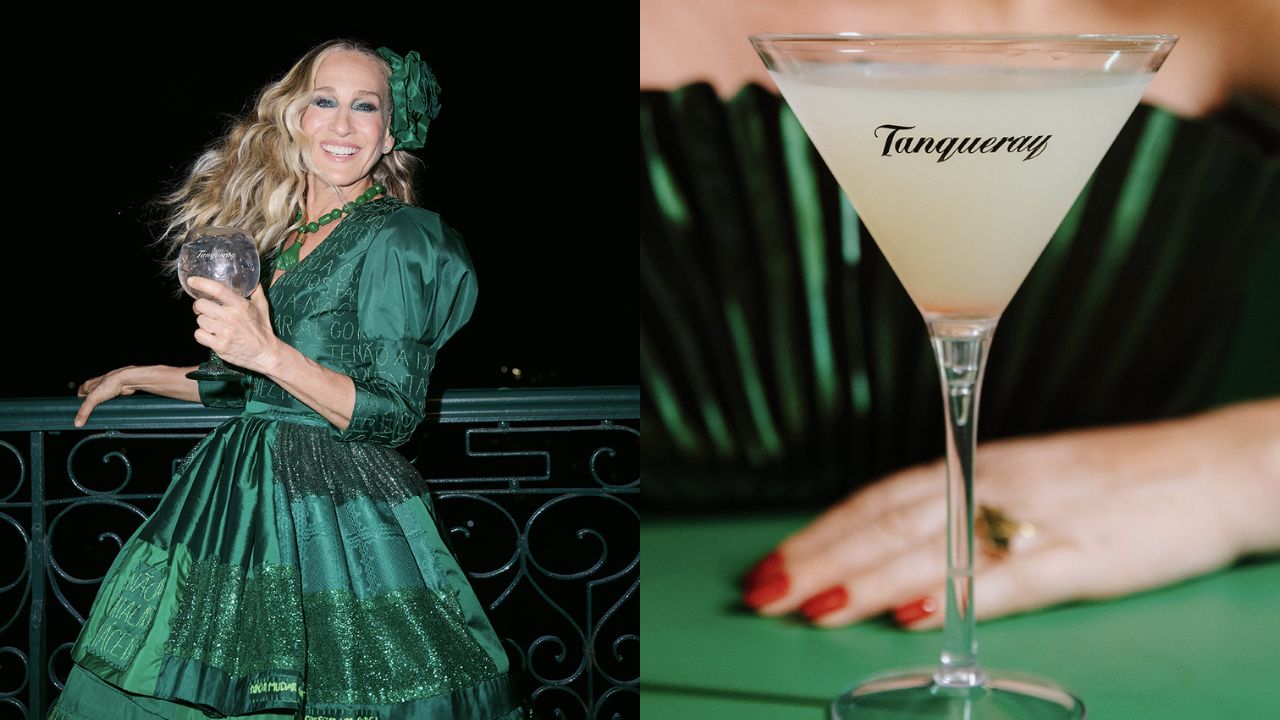
La iniciativa conectó el branding global con la cultura local, transformando la experiencia de coctelería en contenido altamente compartible y sensorial. Aunque no se haya divulgado públicamente un resultado financiero directo, la acción generó una fuerte repercusión mediática y social, reforzando el posicionamiento premium de la marca y ampliando su presencia en el debate digital durante el período de mayor atención del año.
Brahma promovió una inmersión cultural con el técnico italiano Carlo Ancelotti durante el Carnaval 2026, conectando samba y Copa del Mundo. La acción ocurrió en tres capitales: en Salvador, en el circuito Barra-Ondina con Léo Santana; en Río de Janeiro, en la Marquês de Sapucaí junto a Ronaldo Fenómeno; y en São Paulo, en el camarote de la marca con Zeca Pagodinho. La propuesta fue presentar la cultura brasileña al nuevo comandante de la Selección a través de la experiencia carnavalesca.
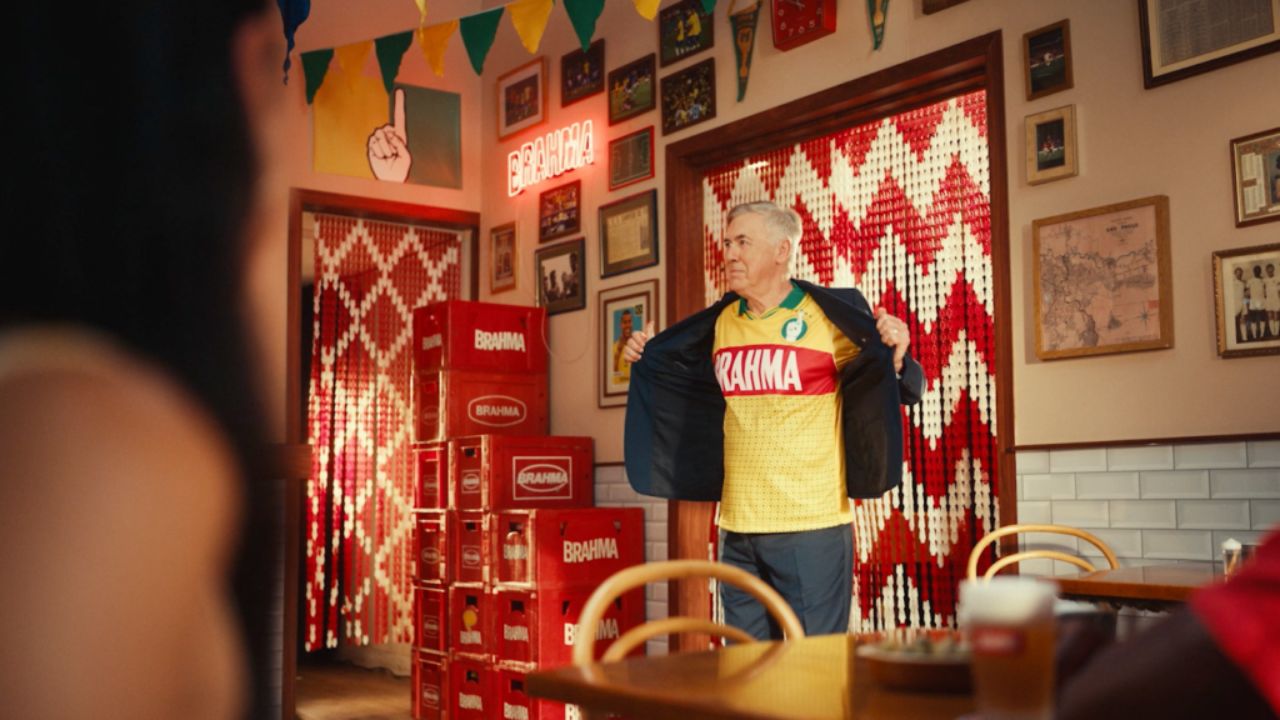
La estrategia combinó deporte, música y cultura popular, usando figuras de alta relevancia para generar conversaciones orgánicas y una asociación emocional con la marca. El resultado fue una fuerte exposición nacional e internacional, ampliando el alcance de la campaña y reforzando el vínculo histórico de Brahma con grandes eventos culturales y deportivos.
iFood marcó presencia en el Carnaval 2026 como patrocinador de los carnavales de calle de São Paulo, Río y Salvador, con destaque para la capital bahiana. La marca apoyó bloques liderados por Léo Santana, Daniela Mercury y Bell Marques, además de firmar el iFood Park en Camarote Salvador. La activación incluyó un stand interactivo con espejos equipados con inteligencia artificial que identificaban el humor de los foliões y recomendaban productos y experiencias en tiempo real.
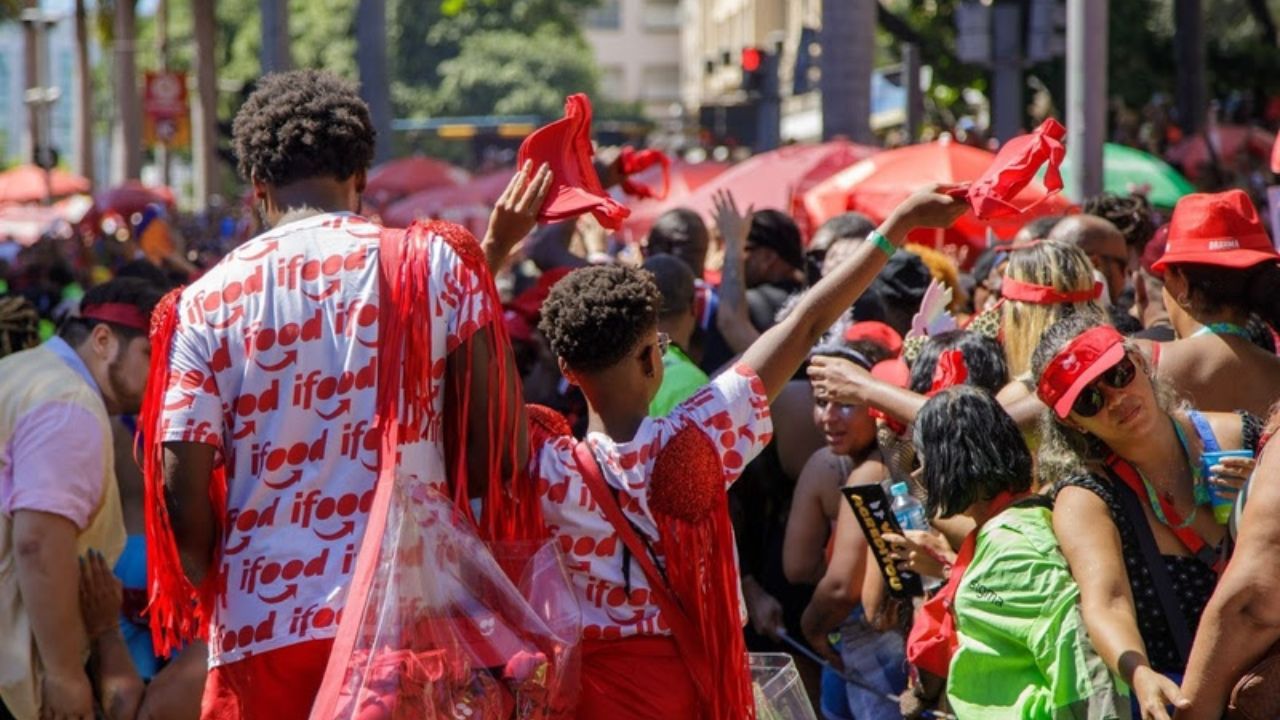
La acción integró datos, tecnología e influencia cultural, conectando artistas de gran atractivo popular con una experiencia medible de medios y conversión. El resultado fue la ampliación del uso de iFood Ads en un entorno físico, fortaleciendo el posicionamiento de la empresa como ecosistema de medios y no solo como plataforma de delivery, además de generar alto engagement social durante los días de fiesta.
Espaçolaser acompañó la preparación de dos reinas del Carnaval carioca, Quitéria Chagas, de Império Serrano, y Bianca Monteiro, de Portela, compartiendo el proceso de depilación láser como parte de la rutina previa al desfile. Durante el Carnaval 2026, la marca también montó el Espaço Relax en el camarote Folia Tropical, ofreciendo masajes gratuitos a los foliões.
La estrategia priorizó la generación de conversación espontánea y la conexión con el universo de la belleza y la preparación para el desfile. El resultado fue el fortalecimiento de marca por asociación directa con figuras emblemáticas de la Sapucaí y la construcción de cercanía con el público en un contexto de alta exposición mediática.
Para entender por qué el marketing de influencia gana tanta fuerza en períodos como el Carnaval, vale mirar primero la rutina de uso. En la encuesta de Opinion Box, el 90% de los usuarios dice acceder a Instagram al menos una vez al día, con mucha gente entrando varias veces a lo largo del día. En el Informe Instagram 2026, el “horario prime” aparece con claridad: el 47% accede a la plataforma entre las 18h y las 00h, y el consumo tiende a ser nocturno, cuando el público está en momentos de ocio y más dispuesto a ver contenido con atención.
En el mismo Informe Instagram 2026, el consumo ya aparece conectado con la decisión: el 73% afirma que ya compró un producto o contrató un servicio que descubrió en Instagram, y el 52% dice que ya compró algo a partir de un anuncio en el que hizo clic. Cuando el recorte es influencia, el dato es todavía más directo: el 67% dice que ya compró por recomendación de influencers, y el 69% relata compras por indicación de alguien en la plataforma, como creadores u otros usuarios. Esto explica por qué, en el pos-Carnaval, la conversación deja de ser “quién apareció” y pasa a ser “quién convirtió”.
Para TikTok, las estimaciones de base activa varían según la metodología, pero estudios ampliamente citados apuntan a una escala cercana a los 1,59 mil millones de usuarios activos mensuales a comienzos de 2025, mostrando el tamaño del escenario donde las tendencias nacen y se expanden. DataReport también refuerza el peso de Brasil en el ecosistema de la plataforma al indicar 91,7 millones de usuarios activos en el país por el promedio de audiencia publicitaria en enero de 2025, con la salvedad de que ese número representa el alcance de anuncios, no necesariamente usuarios únicos mensuales.
El Carnaval 2026 tuvo un impacto económico récord en Brasil, consolidando la fiesta no solo como un evento cultural, sino como un motor importante de la economía del país. Según estimaciones oficiales del Ministerio de Turismo y de FecomercioSP, el período carnavalesco debe haber movido cerca de R$18,6 mil millones en la economía brasileña solo en febrero, un crecimiento del 10% frente al año anterior y el mayor valor registrado para el mes desde el inicio de la serie histórica en 2011. Este monto incluye ingresos de segmentos como turismo, hospedaje, transporte, alimentación y entretenimiento, fortaleciendo toda la cadena de servicios y el comercio local.
Además del impacto financiero directo, la fiesta evidenció su alcance social y turístico: más de 65 millones de foliões participaron en las celebraciones en todo el país, un aumento del 22% frente a 2025, con grandes centros como São Paulo, Río de Janeiro, Salvador, Recife, Olinda y Belo Horizonte concentrando gran parte de ese público. La ocupación hotelera alcanzó niveles cercanos a la capacidad máxima, por ejemplo, en Río, llegando a cerca del 98%, y hubo una generación relevante de empleos temporales, con estimaciones que apuntan a casi 40 mil vacantes creadas en sectores como alimentación, hotelería y transporte.
Esta combinación de gran flujo de personas y alto volumen de ingresos refleja el papel del Carnaval como un activo estratégico para Brasil en términos de turismo y desarrollo económico. El evento no solo impulsó ingresos directos para destinos turísticos y pequeños negocios locales, sino que también fortaleció la imagen internacional del país, generando un aumento en la búsqueda de vuelos, estadías y experiencias culturales vinculadas a la fiesta.
Además de los números económicos, el Carnaval 2026 tuvo gran repercusión en redes sociales y en la cultura digital. Aunque los números oficiales de likes y visualizaciones aún estén siendo consolidados por las plataformas, eventos de gran escala como los desfiles de la Sapucaí, los bloques de calle y las activaciones con celebridades generaron millones de interacciones, impulsando tendencias y contenido relacionado con el Carnaval en Instagram, TikTok y otras plataformas.
El crecimiento de la presencia digital traduce una atención no solo local, sino global, con el evento convirtiéndose en uno de los mayores picos de engagement cultural del calendario anual. Esta dinámica refuerza el papel del Carnaval como catalizador de conversaciones online, creación de contenido e influencia de marca a escala masiva.
Activaciones con celebridades e influencers en las principales fiestas.
Patrocinios de bloques de calle y camarotes estratégicos.
Experiencias interactivas con tecnología y medios en tiempo real.
Lanzamientos de productos y campañas estacionales asociadas a la fiesta.
Alianzas entre marcas y artistas para engagement social y cultural.
Espacios de experiencia de marca en lugares de gran circulación.
El Carnaval 2026 dejó claro que las grandes fechas no son solo picos de visibilidad, son ventanas de performance. Cuando las marcas combinan influencia, datos y contexto cultural, transforman la atención en resultados medibles. El empresario que observa este movimiento entiende que no basta con estar presente en fechas como Día de la Madre, Black Friday, São João o Navidad, hay que estructurar estrategias, elegir influencers alineados con el posicionamiento de la marca e integrar contenido con conversión.
Otro aprendizaje importante es que la confianza se construye antes de la fecha y se activa durante ella. Las campañas que mejor performaron en el Carnaval fueron aquellas que ya tenían una relación consolidada con creadores y audiencia. Esto vale para cualquier período estacional. Quien deja para “entrar en la conversación” solo en la semana de la campaña tiende a disputar atención sin profundidad. Quien trabaja la influencia de forma continua cosecha resultados en los momentos de mayor movilización.
Por último, el Carnaval 2026 refuerza que los datos y la medición son indispensables. Los likes aislados no sostienen el crecimiento. El empresario necesita acompañar métricas de conversión, retención, crecimiento de base y retorno sobre la inversión para entender el impacto real de las acciones. Las fechas conmemorativas brasileñas seguirán siendo oportunidades poderosas, pero solo para las marcas que ven estos momentos como estrategia de negocio y no apenas como vitrina.
Continúa explorando contenidos relacionados que pueden interesarte