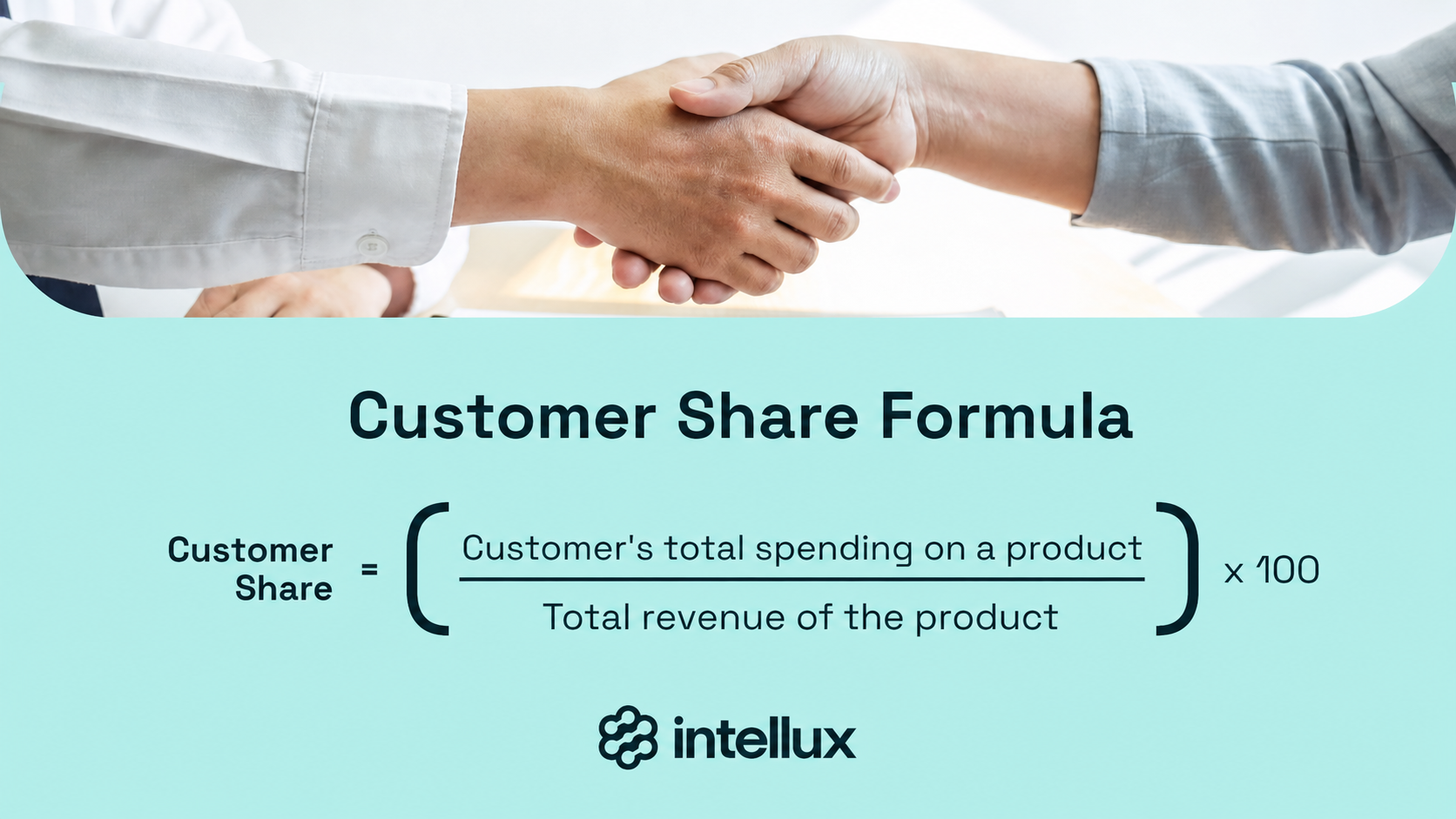
Customer share represents the portion a customer dedicates to your company within a specific category of your portfolio. Instead of analyzing only total sales or the number of new consumers, this metric shows how much each buyer concentrates their spending within the brand itself. By understanding this behavior, the company identifies opportunities to increase its share by offering more variety, convenience, and incentives that encourage recurring purchases.
Remarketing, on the other hand, is a strategy that reaches people who have already shown interest, such as those who visited the website, interacted with ads, or made a previous purchase. This is an audience that is more likely to convert, allowing for more efficient and personalized campaigns. Remarketing can remind customers of products they viewed, suggest complementary options, or reinforce benefits they already know, increasing the chances of return and repurchase.
The connection between customer share and remarketing lies in the direct effect this strategy has on increasing the brand’s share within the customer’s consumption. By reaching people who already have a relationship with the company again, remarketing encourages new purchases and expands the value generated by each consumer. In this way, it helps increase customer share by stimulating frequency, repurchase, and interest in other products in the portfolio.
What is customer share and why does it matter?
Customer share, also known as client share, is the portion your company holds of a customer’s total spending within a specific category of products or services in your portfolio. It shows how much space the brand manages to occupy in the choices of those who already buy, revealing the real level of preference and engagement. This indicator matters because it helps understand whether the company is making the most of each customer’s potential, while also guiding decisions aimed at increasing retention, average consumption value, and competitive relevance.
If your company sells approximately R$1,000.00 in notebooks per month and a specific customer repeatedly buys R$500.00 in notebooks, they represent 50% of your customer share.
This information is relevant for discovering which customers are more valuable and also for generating cross-sell insights. Following the same example, if the customer buys notebooks, they may also be interested in pens, colored pencils, and sticky notes.
The difference between customer share and market share
Although they may seem similar, customer share and market share have different objectives. Market share looks at the portion the company holds in the total market, considering all sales made in the sector. Customer share, on the other hand, analyzes individual financial behavior, evaluating how much each customer dedicates from their budget to the brand itself.
While market share indicates competitive strength in a broader sense, customer share reveals relationship depth and expansion potential within the existing customer base. This distinction helps guide complementary growth strategies.
What is remarketing and how does it work in practice?
Remarketing is a digital marketing strategy designed to reach people who have already shown some type of interest in the brand, encouraging them to complete a purchase or place a new order. This includes users who:
- Visited the website;
- Viewed products;
- Interacted with ads;
- Added items to the cart;
- Made a previous purchase;
- Engaged with content on social media;
Instead of targeting an entirely new audience, remarketing focuses on people who already know the company, increasing the chances of conversion and strengthening the relationship. This strategy reduces CAC, customer acquisition cost, and increases conversion opportunities, since the customer is already familiar with your brand and products.
Why is remarketing important?
1. It increases the conversion rate
People who have already had contact with the brand are much more likely to buy. Remarketing keeps the company present throughout the journey and reduces the natural forgetfulness that happens after the first contact.
2. It recovers lost opportunities
It is common for users to browse the website, add products to the cart, and leave without completing the purchase. Remarketing works precisely in these moments, reminding customers of what they left behind.
3. It increases recurrence and retention
Those who have already purchased tend to buy again, and remarketing works as a strategic reminder. It helps customers remember the brand, discover new products, and expand their consumption over time.
4. It improves the efficiency of media investment
Since the audience is already warmed up, the cost per conversion is usually lower. This means more efficient campaigns and higher returns with lower spending.
5.It reinforces brand presence
Even if the customer does not buy immediately, remarketing keeps your brand alive in their memory. This influences future decisions and strengthens the relationship.
Remarketing can save your company!
A survey conducted by Spot Metrics (2024) showed that 85% of customers do not return after the first purchase because they consider the experience forgettable. However, another study conducted by Opinion Box concluded that 77% of respondents said they had already made purchases through more than one channel of the same company. This reinforces that brands must be prepared to receive customers across different sales channels, such as physical stores, apps, websites, and marketplaces.
This data reveals how essential it is to pay attention to the consumer experience at every touchpoint. Remarketing comes in precisely as a tool capable of reigniting interest, keeping the brand present, and recovering customers who could easily be lost due to a lack of follow-up. When combined with an omnichannel strategy, it ensures that consumers experience communication continuity, regardless of the channel where they made their first interaction.
Before thinking about expanding the customer base, it is essential to work on winning back those who have already purchased. This reduces CAC, since selling again to someone who already knows the brand costs less than acquiring a new customer. In addition, a good post-purchase experience combined with remarketing strengthens the relationship, increases purchase frequency, and improves return on investment, because the company starts investing less to generate more qualified and consistent conversions.
Remarketing can save your company!
A survey conducted by Spot Metrics (2024) showed that 85% of customers do not return after their first purchase because they consider the experience forgettable. However, another study conducted by Opinion Box concluded that 77% of respondents said they had already made purchases through more than one channel of the same company. This reinforces that brands must be prepared to receive customers across different sales channels, such as physical stores, apps, websites, and marketplaces.
This data reveals how important it is to pay attention to the consumer experience at every touchpoint. Remarketing comes in precisely as a tool capable of reigniting interest, keeping the brand present, and recovering customers who could easily be lost due to a lack of follow-up. When combined with an omnichannel strategy, it ensures that consumers experience communication continuity, regardless of the channel where they made their first interaction.
Before thinking about expanding the customer base, it is essential to work on winning back those who have already purchased. This reduces CAC, since selling again to someone who already knows the brand costs less than acquiring a new customer. In addition, a good post-purchase experience combined with remarketing strengthens the relationship, increases purchase frequency, and improves return on investment, because the company starts investing less to generate more qualified and consistent conversions.
Types of remarketing used in digital marketing
Remarketing can be applied in different ways, depending on user behavior and the brand’s objective. Each format plays a specific role in the customer journey and contributes to increasing conversions, recurrence, and customer share.
Website remarketing
Website remarketing is activated when the user visits specific pages on your website. After installing a tracking pixel or tag, the advertising platform identifies who accessed certain pages and displays personalized ads to those people.
This format is very efficient because it is based on a real interest shown by the visitor. The brand can show the viewed product again, reinforce benefits, present offers, or simply remind the customer to return to the website. It is ideal for increasing conversions and reducing browsing abandonment.
Search remarketing
Search remarketing uses the keywords searched by the user to target ads. This makes it possible to reach people who have already shown active purchase intent by searching for terms related to your brand, category, or products.
This type of remarketing keeps your company present at the moment closest to the decision. It reinforces brand visibility and increases the chances of conversion, mainly when the consumer is comparing options among competitors.
Email remarketing
Email remarketing is aimed at users who are already in your contact base and have taken specific actions, such as abandoning carts, visiting strategic pages, or consuming relevant content.
Messages can include personalized offers, reminders of viewed products, educational content, complementary recommendations, or invitations to return to the website. It is one of the most effective strategies for retention and loyalty, since it communicates with people who have already shown direct interest.
Dynamic remarketing
Dynamic remarketing displays fully personalized ads based on individual behavior. It uses the store’s product feed to show exactly the items the user viewed or added to the cart.
As a result, communication becomes more relevant and accurate, significantly increasing the conversion rate. In addition, dynamic remarketing allows the brand to recommend related products, encourage upgrades, and strengthen the relationship with the customer.
How does remarketing directly influence customer share?
Remarketing has a direct impact on increasing customer share because it targets the audience most likely to generate new purchases: people who already know the brand. By re-engaging customers who visited the website, viewed products, or have purchased before, the strategy keeps the company present at the decision-making moment and encourages return purchases.
The main effect of remarketing on customer share is the increase in purchase frequency. When customers are reminded of a product they viewed, receive complementary suggestions, or find a relevant offer, they move closer to a new conversion. This recurrence increases the total amount spent within the company’s portfolio, raising the brand’s share in that customer’s consumption.
In addition, remarketing creates opportunities for cross-sell and up-sell. By showing products related to previous choices, the brand encourages customers to explore new categories, increasing the variety of their consumption. This movement raises customer share, as it expands the proportion of revenue each customer contributes across the company’s different product lines.
In this way, remarketing does more than recover interest, it also strengthens the depth of the relationship and improves the performance of the customer base over time.
Want to start the right way?
At Intellux, we help companies turn clicks into concrete results. Our team develops personalized paid traffic strategies, combining data analysis, creativity, and intelligent automation. Get in touch and discover how we can boost your brand with campaigns that truly convert.