Events


Valentine’s Day moves retail, strengthens the relationship between brands and consumers, and creates real opportunities for creative campaigns. For this reason, companies from different segments can turn the date into a strategic action for connection, sales, and positioning.
In addition, the audience usually looks for more than just a simple gift, as they want experiences, meaning, and identification with the brand. In this context, marketing needs to combine emotion, planning, and relevance to create campaigns that truly speak to couples.
Therefore, thinking about Valentine’s Day campaigns requires more than repeating romantic formulas already known in the market. Throughout this article, you will see five applicable ideas for brands that want to take advantage of this commemorative date strategically.
In Brazil, Valentine’s Day holds a strategic place in the commercial calendar because it combines affection, planned consumption, and strong advertising appeal. In addition, the date allows brands to work with desire, recall, and urgency in campaigns aimed at different couple profiles. For this reason, companies in fashion, beauty, gastronomy, tourism, and technology often adapt communication, offers, and experiences to increase conversions.
According to a survey cited by Central do Varejo, Valentine’s Day 2026 should bring around 93 million Brazilians to shopping. In addition, the estimated movement exceeds R$ 22 billion in retail and services, with an expected average spend of R$ 238 per consumer. In this context, well-positioned campaigns help brands transform purchase intent into gifts, experiences, and consumer relationships.
This behavior opens space for campaigns with storytelling, personalized kits, experiences for couples, progressive discounts, and relationship-building actions. Therefore, brands that understand search intent can appear more strongly in content, ads, storefronts, and digital recommendations. In this sense, advertising gains value when it helps consumers choose a gift with less doubt and more confidence.
Valentine’s Day advertising in Brazil stands out because the date takes place on June 12, the eve of Saint Anthony’s Day. Meanwhile, many countries celebrate Valentine’s Day on February 14, associated with Saint Valentine and international tradition. Thus, the Brazilian market created its own narrative, more connected to June retail and local cultural references.
In addition, Brazilian Valentine’s Day was born with a strongly commercial motivation, linked to stimulating sales in a weaker month. As a result, national advertising usually works with more direct campaigns, focused on gifts, dinner, romantic experiences, and promotional opportunities. In other markets, Valentine’s Day also involves cards, flowers, symbolic gestures, and demonstrations of affection between different bonds.
In Brazil, therefore, communication tends to value the couple as a consumption unit, reinforcing personalized gifts and shared experiences. In other countries, however, the date can expand to friends, family members, colleagues, and broader demonstrations of affection. Consequently, international brands often create broader campaigns, while Brazilian companies prioritize conversion, romantic relationships, and commemorative purchases.
Main cultural differences between campaigns:
Creating Valentine’s Day campaigns requires more than adding hearts, romantic phrases, and discounts to advertising pieces. According to Globo Ads, 66% of Brazilians intended to buy gifts for the date in 2025, while 68% planned to celebrate. Therefore, the brand needs to understand that it is competing for attention on a date with high purchase intent and strong emotional appeal.
In addition, the digital environment has gained weight in the purchase journey because consumers research, compare, and decide before finalizing the gift. According to ABComm, Brazilian e-commerce projected R$ 9.23 billion in revenue for Valentine’s Day 2025, with 14% growth over 2024. Thus, creative campaigns need to work in the ad, the storefront, organic search, social media, and the product page.
Below, see five marketing campaign ideas to transform the gift into an experience, identification, and a real reason for choice. Each proposal can be adapted to different segments, from fashion and beauty brands to digital companies and subscription services. This way, your campaign has a greater chance of leaving the obvious behind and appearing more strongly at the moment of decision.
A good Valentine’s Day campaign can use fun criteria to turn a discount into participation, conversation, and immediate identification. In this format, the brand defines a simple rule, such as names, initials, zodiac signs, stories, or combinations between the couple. This way, the benefit stops looking like just a promotion and starts functioning as a shareable experience on social media.
Bob’s did this by inviting couples with the initials “B+K” and “M+C” to receive double Milk Shake coupons. The action required interaction on the official Instagram post, with users tagging their partner in the comments and later receiving the coupon by direct message. As a result, the campaign generated trackable engagement, encouraged social participation, and also stimulated registration in the brand’s loyalty program.Guerrilla marketing works well when the brand creates an experience that feels bigger, more curious, and more comment-worthy. For Valentine’s Day, this can happen through romantic booths, urban interventions, sensory activations, or temporary Instagrammable spaces. Therefore, the action needs to place the audience inside the narrative, not just in front of a promotional offer.
The Barbie movie campaign showed this path by turning the Dreamhouse into a real experience on Airbnb. In addition, the project integrated in-person activations, digital presence, and more than 100 partnerships to spread the brand universe. As a result, the film surpassed US$ 1.4 billion in global box office and became a reference for coordinated immersion.
In Valentine’s Day campaigns, influential couples help the brand sell narrative, identification, and desire more naturally. In this case, the audience follows the relationship, recognizes the chemistry between the two, and associates that image with the product. For this reason, choosing the couple needs to combine reputation, audience, lifestyle, and coherence with the campaign proposal.
C&A used Bruna Marquezine and Neymar as a couple spokesperson in 2018 for a Valentine’s Day campaign with strong digital repercussion. According to Folha de Pernambuco, the hashtag Brumar appeared in 30% of the brand’s posts during the period. As a result, the campaign increased Instagram interactions by 80%, with an average of 24,000 interactions per post.
Collectible packaging turns the product into a keepsake, increases perceived value, and creates an additional reason for impulse buying. On Valentine’s Day, this resource can appear in personalized cans, numbered boxes, labels with names, or packaging made for couples. In addition, the strategy favors photos, personalized gifts, and searches for specific versions before the commemorative date.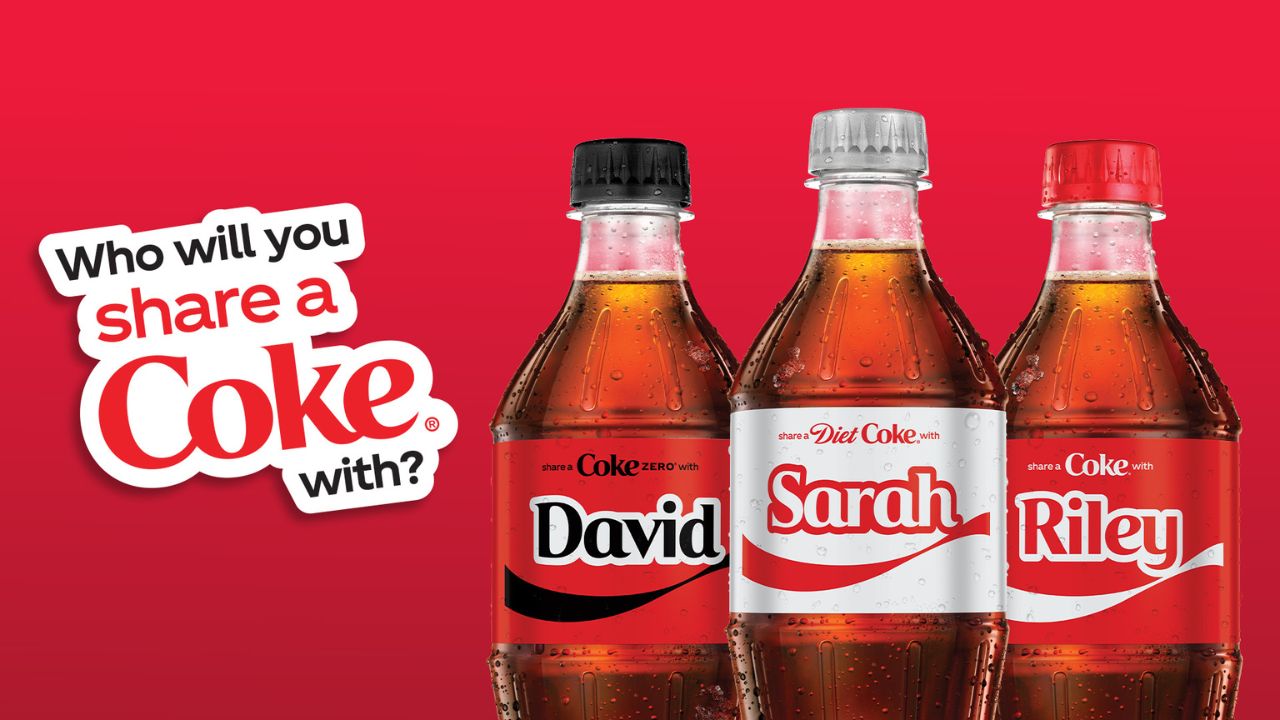
Coca-Cola proved this strength with “Share a Coke,” a campaign that replaced the logo with names on packaging. According to a StoryBox study, the action increased consumption among young adults in Australia by 7%. In addition, the campaign recorded a 2% increase in sales in the United States and expanded to more than 70 countries.
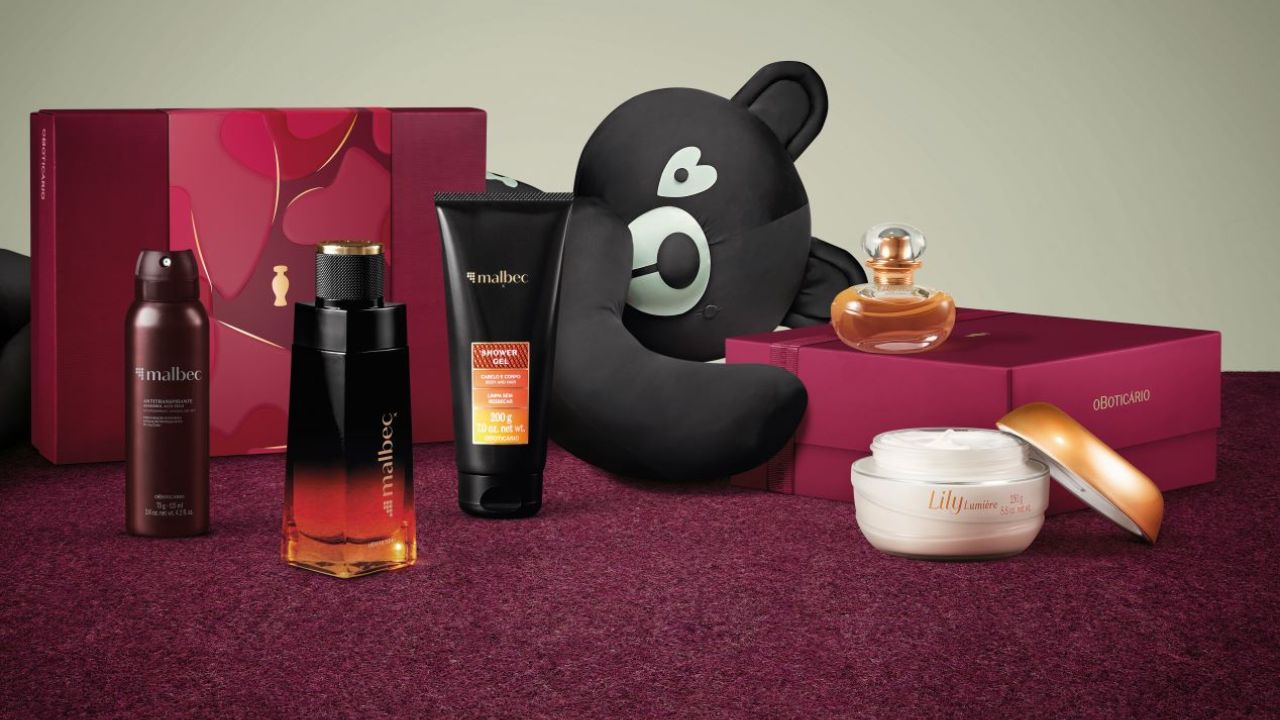
Limited collections work because they create scarcity, immediate desire, and the perception of a gift more thoughtfully chosen for the occasion. For Valentine’s Day campaigns, the brand can launch kits, fragrances, accessories, prints, combos, or numbered products. This way, the consumer feels they are buying something connected to the date, not just a common discounted item.
Before choosing a Valentine’s Day gift, consumers usually research ideas, compare prices, and evaluate options more carefully. According to CNDL and SPC Brasil, 76% of consumers intend to research prices before buying, mainly online. Therefore, brands that appear with useful answers during this search increase their chances of participating in the final decision.
This research stage shows that the campaign does not begin only with the ad, the storefront, or the promotional coupon. After all, many people search for terms such as “what to sell on Valentine’s Day,” “creative gift,” and “campaign ideas.” Thus, well-structured content helps the brand appear before the choice, when the consumer is still open to suggestions.
For GEO, this behavior is even more important because answer engines value clear, complete, and useful content. In addition, the article can answer real questions about affordable gifts, experiences for couples, personalized combos, and last-minute campaigns. This way, the brand stops depending only on discounts and starts influencing the purchase journey from the initial research stage.
Not every brand needs to create Valentine’s Day campaigns, because some actions may seem forced, opportunistic, or misaligned. According to Kantar, brands grow when they build meaningful difference, based on 6.5 billion behavioral data points analyzed. Therefore, a seasonal campaign only makes sense when it reinforces what the brand already represents to its audience.
SaaS brands, technical B2B companies, and businesses with more sober archetypes need to assess the risk before romanticizing their communication. In addition, sensitive niches, such as health, security, law, or finance, can lose credibility when they use an emotional approach without context. Thus, the campaign needs to respect the brand’s tone, the customer journey, and the audience’s real expectations.
This does not mean digital companies should ignore the date, since some can adapt Valentine’s Day intelligently. For example, a subscription can offer a “pay for one and get two” action, allowing someone to gift a loved one one month of access. This way, the brand takes advantage of the date without abandoning its proposal, maintaining usefulness, coherence, and commercial appeal.
Before creating Valentine’s Day campaigns, the brand needs to understand whether the date connects with its original positioning. After all, a seasonal action can generate short-term sales, but it can also confuse the perception built over the long term. For this reason, the main question should not be only “how to sell more,” but “how to sell without losing coherence.”
The decision becomes clearer when the brand observes its values, its archetype, and the type of relationship it maintains with customers. In addition, it is worth analyzing whether the audience expects this type of campaign or would perceive the action as commercial opportunism. Therefore, use the questions below as a filter before approving the concept, offer, media, influencers, and campaign language.
Valentine’s Day campaigns can generate sales, recall, and engagement, but they need to be born from a well-defined strategy. Edelman points out that 91% of generative artificial intelligence users use these platforms at some stage of purchase. For this reason, brands also need to think about GEO, creating clear, useful, and reliable content to appear in recommendations.
In this scenario, the best path does not involve joining every commemorative date, but choosing the ones that strengthen the brand. In addition, truly relevant campaigns connect search intent, commercial proposal, brand language, and the consumer’s perceived experience. Thus, Valentine’s Day becomes a strategic opportunity when the brand knows how to sell without giving up its own positioning.
Planning a Valentine’s Day campaign involves research, calendar planning, content creation, idea review, visual production, and channel monitoring. For this reason, using a management platform can help brands and marketing professionals organize seasonal campaigns with more clarity, without depending on improvisation in the days leading up to the date.

Start your free Intellux trial now and see how managing social media on your own can be simpler, faster, and more strategic.
Continue exploring related content that might interest you