Choosing which social media platforms your brand should be on is one of the most important decisions in any digital marketing strategy. With so many platforms available and new trends emerging all the time, it’s common for entrepreneurs and managers to feel unsure about where to invest their time and resources.
Contrary to what many believe, it’s not necessary to be present on every social network. Being on multiple channels without a clear strategy can do more harm than good, as a lack of consistency and direction tends to weaken your brand’s communication.
That’s why understanding the factors that should guide this choice is the first step toward building a strong, coherent digital presence aligned with your business goals. Throughout this article, you’ll learn how to make this decision in a strategic and efficient way.
Before choosing which social media platforms your brand should be on, it’s essential to understand your focus. Each objective requires a different strategy, and this directly impacts the choice of platforms, the type of content you produce, and how you communicate with your audience.
A brand focused on quick sales needs channels that favor conversion and direct contact. On the other hand, a brand aiming to build authority should invest in more in-depth and consistent content. There are also those who prioritize reach and growth, betting on more dynamic and viral formats. Without this clear definition, your digital presence tends to become scattered and inefficient.
To structure this focus in a practical way, one of the most widely used methodologies is SMART. It helps turn generic goals into clear and achievable targets. SMART stands for specific, measurable, achievable, relevant, and time-bound. In other words, instead of simply saying “I want to grow on social media,” the ideal is to define something like “increase the number of leads by 30% within three months through Instagram.”
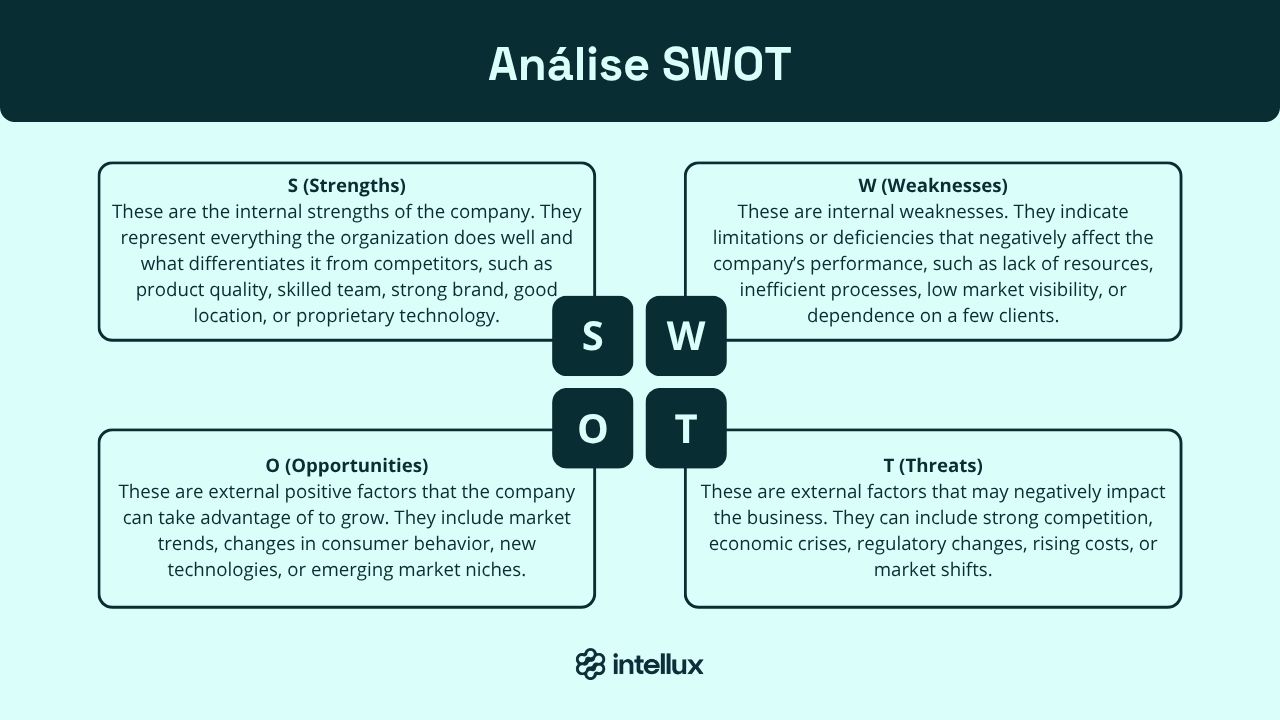
In addition to goal setting, another tool that contributes to this process is SWOT analysis. With it, you can identify your business’s strengths, weaknesses, opportunities, and threats. This diagnosis helps you understand where your brand stands out, which limitations need to be considered, and which paths make the most sense to follow.
By combining well-defined goals with a strategic analysis of your current scenario, it becomes much easier to choose the right social media platforms and build a digital presence aligned with what your brand truly needs to achieve.
What Is the Difference Between Acquisition and Conversion?
Acquisition is when you attract new people to your business. The focus here is on gaining attention and generating interest. You’re not selling directly yet, you’re helping your audience discover your brand. Examples:
- A TikTok video that goes viral;
- A Reels that reaches thousands of people;
- A YouTube video that appears in search results;
- A Pinterest pin that drives someone to your website.
- Result of acquisition: traffic, followers, views.
Conversion, on the other hand, is when that person takes an action that generates results for your business. Here, the focus is on turning interest into a concrete action. Examples:
- Someone contacts you on WhatsApp asking for a quote;
- A user makes a purchase on your website;
- A lead fills out a form;
- A customer schedules a service.
- Result of conversion: sales, leads, contacts.
1. If Your Goal Is to Sell and Generate Demand
If your brand’s focus is to generate sales, the first point to understand is that no social media platform alone guarantees results. Each platform plays a role in the customer journey, from discovery to conversion. Ignoring this logic can lead you to invest time in channels that don’t directly impact your final results.
That’s why, more than choosing “the best platform,” it’s essential to understand how each channel contributes to acquisition, consideration, and decision-making. In many cases, the sale doesn’t happen in the same place where the customer first discovered your brand. This understanding allows you to build a more integrated and efficient strategy, avoiding scattered efforts.
Focus on platforms that support both demand generation and conversion, considering your niche:
- Instagram: Works well for discovery and relationship building. It can generate demand through content and direct users to conversion channels, such as your website or WhatsApp.
- YouTube: Excellent for acquiring a qualified audience. More in-depth content helps educate potential customers and build trust before purchase.
- TikTok: Has high potential for reach and discovery. With features like TikTok Shop, it can also support conversions depending on the product.
- Pinterest: Very strong for visual niches such as fashion, décor, and furniture. It operates at the top of the funnel and can drive qualified traffic to your website.
- WhatsApp: Doesn’t generate demand on its own, but it’s a key channel for conversion and customer service. It often serves as the final step in the customer journey.
- Facebook: Still relevant for paid campaigns and remarketing, and groups can be a strong sales channel. It can support both acquisition and conversion, depending on your strategy.
2. If Your Focus Is Authority and Content
If your brand’s goal is to build authority, the approach changes completely. Here, the focus shifts away from immediate sales and toward building trust, perceived value, and market positioning over time. This type of strategy tends to generate more consistent and long-lasting results.
To achieve this, it’s necessary to invest in more in-depth, educational, and relevant content for your audience. Consistency is a key factor, since authority is not built through occasional actions, but through continuous presence and real value delivered in every piece of content.
Focus on platforms that support depth, consistency, and positioning:
- YouTube: One of the strongest channels for building authority. It allows for long-form, educational content that continues to generate results over time.
- LinkedIn: Ideal for professional positioning and B2B businesses. Works well for sharing knowledge, experiences, and strategic insights.
- Blog (owned website): This is where you build your own digital asset. SEO-optimized articles generate recurring traffic and strengthen your authority on Google.
- Instagram: Can support authority through educational content like carousels and videos. It works more as a reinforcement and distribution channel than a primary one.
- Podcast: A great format for diving deeper into topics and creating a stronger connection with your audience. It helps position your brand as a reference in a specific subject.
- Newsletter (email): A direct channel with your audience. It allows you to go deeper into content and maintain relationships with people who have already shown interest in your brand
3. If You Want to Grow Fast and Go Viral
If your brand’s focus is to grow quickly, gain visibility, and reach a large audience in a short time, the approach changes again. Here, the main goal is to maximize reach and distribution by leveraging platforms with high organic delivery potential.
In this scenario, the type of content also shifts. Shorter, more direct formats with strong visual or emotional appeal tend to perform better. In addition, following trends, adapting your tone, and constantly testing are key parts of the strategy to increase the chances of going viral.
Focus on platforms with high organic reach potential:
- TikTok: Currently one of the top platforms for rapid growth. Its algorithm favors discovery and allows small accounts to reach large audiences.
- Instagram (Reels): Leverages the platform’s existing user base and delivers content beyond followers. It works well for scaling short-form content.
- YouTube Shorts: Helps reach new audiences within the YouTube ecosystem. It can also serve as a gateway to longer content.
- Threads: Focused on quick conversations and interaction. It can help grow a community and increase visibility around trending topics.
- X (Twitter): Works well for opinions, trends, and real-time content. High-engagement tweets can quickly reach large audiences.
In this type of strategy, volume and consistency make a difference. The more content you test, the higher the chances of finding formats that perform well and scaling your brand’s growth.
4. Specific Platforms (Depending on Your Niche)
Not every social media platform works for every type of business, and ignoring this can lead to effort without results. Some platforms perform extremely well in specific niches because user behavior is already aligned with certain types of content or products.
That’s why understanding where your audience looks for inspiration, information, or solutions within your segment makes all the difference. In many cases, these more “niche” platforms can deliver better results than more popular networks, as long as they are used strategically.
Focus on platforms that make sense for your market:
- Pinterest: Very strong for visual niches such as fashion, décor, architecture, and design. It works like an idea search engine and can generate qualified traffic over long periods.
- TikTok Shop: Ideal for products that can be demonstrated in a practical and quick way. It combines entertainment with direct sales within the platform itself.
- LinkedIn: Recommended for B2B companies, professional services, and corporate positioning. It’s ideal for generating connections and business opportunities.
- YouTube: Great for niches that require deeper explanation, demonstration, or education. It works well for technology, health, finance, and specialized services.
- Instagram: Segments like aesthetics, food, fashion, and lifestyle tend to perform well. Its visual appeal helps attract and engage audiences.
- Google (SEO and blog): Best for businesses that rely on active user search. Local services, technical solutions, and informational content tend to perform better here.
When considering these platforms, the most important factor is analyzing your audience’s behavior within your niche. This allows you to focus your efforts on channels with higher return potential instead of trying to be everywhere without a clear strategy.
How to Decide in Practice Which Social Media Platforms Your Brand Should Be On
After understanding the different goals and the role each platform plays within your strategy, the next step is turning that knowledge into action. Here, the most common mistake is trying to be present on every platform at once, without structure or clear objectives. This spreads your efforts too thin and compromises your results.
In practice, choosing social media platforms should be guided by simple and strategic criteria. The goal is to build an ecosystem of channels that work together, aligned with your current business stage, production capacity, and audience behavior. Follow these three criteria to make your decision:
- Your audience is present on that platform:
First and foremost, understand where your audience actually consumes content. There’s no point investing in a popular platform if it’s not part of your audience’s habits. - You can maintain consistency:
Each platform requires its own format, frequency, and tone. Choose only the channels you can manage with quality and regularity. - The platform serves a role in your strategy:
Define whether the platform will be used for acquisition, relationship building, or conversion. Each channel needs a clear function within your funnel.
By following this logic, you avoid decisions based on trends and start building a more efficient, consistent digital presence aligned with your brand’s goals.
Direct Summary
After understanding strategy, funnel, and objectives, it becomes easier to see each social media platform for what it really is, a channel with specific functions within marketing. There’s no such thing as a better or worse platform, only the one that best fits what you want to build.
This perspective helps avoid common mistakes, such as expecting direct sales from discovery-focused channels or trying to build authority with shallow content. It’s also important to distinguish platforms from concepts like SEO, which is a technique applied across different channels, not a platform itself.
Instagram
- Brand building and digital presence;
- Strong role in discovery through Reels;
- Integration with paid traffic to scale reach and conversion;
- Daily relationship with the audience;
- Visual and educational content, such as Reels and carousels;
- Supports demand generation and directs users toward conversion;
- Digital storefront for products and services;
- Can leverage SEO within the platform itself.
YouTube
- Authority building and in-depth content;
- Acquisition of qualified audiences through search;
- Evergreen content with long-term potential;
- Customer education before purchase;
- Strengthening trust in the brand;
- Monetization opportunities;
- Financially sustainable in the medium to long term;
- Shorts for discovery, long videos for deeper engagement;
- Strong use of SEO for video ranking.
TikTok
- Brand humanization;
- High impact of trends and timing;
- Distribution driven by retention and immediate engagement;
- Storytelling development, such as behind-the-scenes, processes, and routines;
- High potential for reach and discovery;
- Product sales supported by creators and affiliates;
- Daily engagement with the brand.
Pinterest
- Generation of qualified traffic to websites or stores in fashion, beauty, and architecture;
- Content focused on planning and purchase decisions;
- Users enter with a clear intent to find ideas and solutions;
- Strong presence in visual niches;
- Long-lasting content lifespan;
- Product inspiration and discovery;
- Supports top-of-funnel strategies;
- Growing use of SEO within the platform.
LinkedIn
- Professional and corporate positioning;
- Ideal channel for Founder-Led Marketing strategies;
- Authority building in B2B;
- Lead generation and networking opportunities;
- Sharing experiences and knowledge;
- Strengthening brand reputation;
- Can be optimized for SEO through internal articles.
Facebook
- Support for paid campaigns and remarketing;
- Broader audience targeting;
- Groups as a channel for community and sales;
- Content distribution;
- Support in conversion strategies.
- WhatsApp
- Direct communication and relationship channel;
- Used for retention, loyalty, and repeat purchases;
- Possibility of automation with bots and workflows;
- Conversion of leads into customers;
- Post-sales support;
- Fast and personalized communication;
- Often the final step in the customer journey.
Website, e-commerce, and blog
- Owned channel of the brand;
- Foundation for lead capture (forms, landing pages);
- Where conversions happen with greater control;
- Organic traffic generation through SEO;
- Long-term authority building;
- Informational and educational content;
- Continuous acquisition without relying on social media algorithms;
- Solid base for a digital strategy;
- Low maintenance cost.
Newsletter, email
- Direct relationship with your audience base;
- Channel with one of the highest ROI in digital when well executed;
- High return on investment compared to other media;
- Advanced audience segmentation;
- Distribution of content and offers;
- Lead nurturing over time;
- Independence from external platforms;
- Strengthening audience retention.
Conclusion
Choosing which social media platforms your brand should be on is not about being present everywhere, but about making strategic decisions. When you understand the role of each platform within the funnel, it becomes easier to direct your efforts, avoid wasted resources, and build a digital presence that truly delivers results.
In practice, the challenge is not just deciding where to be, but maintaining consistency, quality, and content volume without overloading your team. This is where many strategies struggle, not due to a lack of clarity, but because of operational limitations.
To overcome this bottleneck, having the right tools makes all the difference. Intellux emerges as a digital marketing solution that optimizes content production, reduces time spent on operational tasks, and allows your team to focus on what truly matters, strategy, analysis, and business growth.
If you want to scale your digital presence more efficiently with less manual effort, it’s worth exploring the platform. Start your free trial now and see how to optimize your content production with intelligence.