Marketing strategy

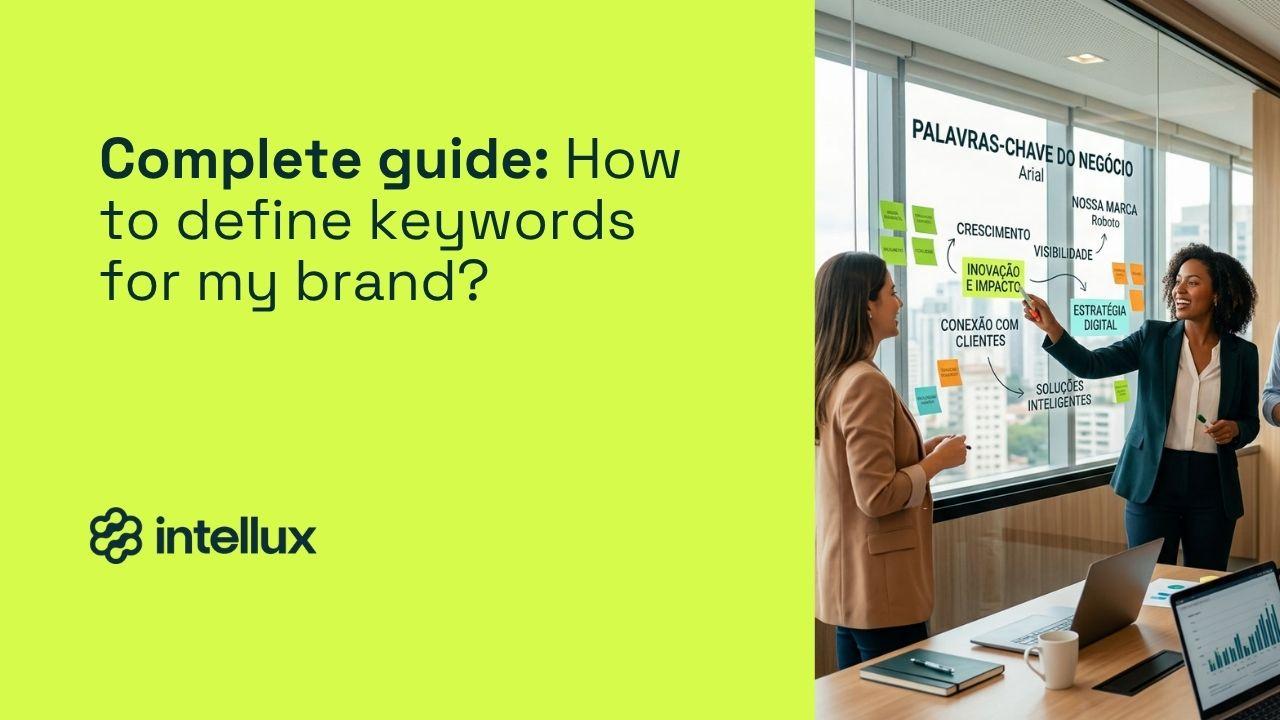
The keywords a brand uses help create associations in the consumer’s mind, connecting name, category, benefit, feeling, and promise. A study published in PLOS ONE analyzes brands as part of word association networks. Through this publication, it was shown that brand names are processed alongside other concepts in people’s memory, such as attributes, experiences, and consumption categories.
In practice, this means a brand is not remembered only by its logo or product, but also by the terms people begin to connect with it. Words such as “safety”, “practicality”, and “healthy” can build a clear perception when they appear consistently on the website, social media, ads, customer service, and content.
This consistency matters because consumers tend to buy more from familiar brands. A survey cited by Capital One Shopping points out that 59% of global consumers prefer to buy new products from brands they already know.
That is why defining brand keywords is a strategic step for any business that wants to be found. When a company chooses the right terms to represent what it does, it improves its presence on Google, organizes its content production more effectively, and strengthens its positioning in the market. More than attracting visits, keywords help create cognitive associations between the general public and well-established brand values.
Through repetition, keywords become part of people’s everyday language, and that is what we are going to talk about in this article. Next, we will explain what a keyword is, why it matters, how to define yours, and how to use them in practice.
Brand keywords are the terms that help people identify, find, and associate a company with specific products, services, values, and differentiators. They can include the brand name, the business segment, the services offered, the problems the company solves, and the expressions people use when searching for solutions related to the business.
In practice, these words work as connection points between what the company wants to communicate and what people search for, comment on, or remember. When a brand uses the same terms consistently across its website, blog, social media, ads, and commercial materials, it increases its chances of being recognized for those concepts.
Brand keywords are connected to your brand’s identity, personality, and values. They can include the brand name, product names, proprietary services, location, differentiators, service style, and terms that reinforce positioning. These are words that help people recognize a specific brand more clearly.
Generic keywords, on the other hand, are broader terms used by many companies within the same market. Expressions such as “digital marketing”, “car insurance”, “veterinary clinic”, “healthy eating”, and “bike shop” are generic because, on their own, they do not point to a specific brand. They indicate a category, but not necessarily a company.
This does not mean generic keywords are bad. They can help expand the brand’s reach and attract people who are still at the beginning of their research. However, when used alone, they tend to face more competition and offer less differentiation. That is why a good strategy combines generic words with more specific terms connected to the company’s positioning and value proposition.
Brand keywords are directly connected to a company’s identity, name, products, services, or positioning. They help people find the brand and also reinforce the associations the company wants to build.
Some examples include:
These terms can combine the brand name, the service provided, the region served, and the business differentiators. The more aligned they are with the company’s reality, the higher the chances of attracting the right audience.
Commercial keywords are used by people who already show interest in hiring, buying, comparing options, or requesting a quote. They usually appear in searches that are closer to the purchase decision.
Some examples include:
These keywords are very important for commercial pages, service pages, landing pages, and ad campaigns. They show that the user already recognizes a need and is looking for a more concrete solution.
Informational keywords are used by people who are still learning about a topic, researching a question, or trying to better understand a problem. They do not necessarily indicate immediate purchase intent, but they help bring the brand closer to the audience throughout the decision journey.
Some examples include:
This type of keyword works very well in blog articles, guides, educational posts, videos, and rich materials. By answering real audience questions, the brand increases its authority, builds trust, and creates opportunities to lead the reader toward a commercial solution at the right time.
Defining keywords for your brand matters because they help turn a company into a recognizable reference. When the brand knows which terms it wants to occupy in the audience’s mind, it becomes easier to build consistent, clear communication aligned with its positioning.
The right words communicate purpose, positioning, and differentiation. A brand that works with “humanized service”, for example, communicates something different from a brand that focuses on “speed”, “low cost”, or “premium solutions”. Each word choice helps shape how people perceive the business and the type of experience it delivers.
In addition, keywords help keep all brand channels connected. Website, blog, social media, ads, commercial materials, and customer service start reinforcing the same message. Over time, this repetition strengthens the brand identity and increases the chances of the audience associating it with the terms that truly matter to the business.
Keywords help Google understand what your brand talks about, which solutions it offers, and which searches it may be relevant for. According to Google Search Central itself, SEO helps search engines crawl, index, and understand a website’s content, making it easier for pages to be found by the right audience.
This point matters because organic search still plays a major role in traffic generation. A BrightEdge study indicates that organic search accounts for around 53% of all trackable website traffic, surpassing channels such as paid media and social media.
That is why, when a company uses well-defined terms across pages, titles, descriptions, URLs, and blog content, it increases its chances of appearing in searches related to its market. If an agency offers website creation, social media management, and paid traffic, for example, these terms need to appear naturally throughout the website pages and published content.
However, SEO does not mean repeating words excessively. The goal is to use the right terms within useful, well-structured content that matches the user’s search intent. The clearer the connection between keyword, content, and solution offered, the greater the chance of attracting qualified visitors.
Keywords also serve as a foundation for content production. Instead of creating posts, articles, and pages based only on intuition, the brand can use the terms searched by the audience to plan more strategic content.
In this way, keywords help organize brand communication across different stages of the customer journey. Some attract people who are still learning about a problem, others support those comparing options, and others guide the audience toward a purchase decision.
Defining keywords also helps attract people with greater potential to become customers. When the brand chooses terms aligned with its services, differentiators, location, and audience profile, it reduces the chance of receiving irrelevant visits and increases the possibility of generating contacts closer to a purchase.
That is why good keywords do not serve only to increase traffic. They help attract the right audience, with the right pain point, at the right time. This alignment makes the digital strategy more efficient, improves lead quality, and strengthens the relationship between the brand and the people who truly need what it offers.
To start defining your brand keywords, the first step is to look inside the business itself. Before searching for terms in SEO tools, you need to understand:
This exercise prevents keyword selection from being based only on search volume and ensures recognition through brand identity. A word may have a high search volume, but still not make sense for the brand’s positioning. That is why the ideal path is to start with the business strategy and then transform that information into terms that can be used on the website, blog, social media, and ads.
This answer is what guides keyword selection. To begin, follow three paths:
These steps help turn loose ideas into strategic terms for the website, blog, social media, ads, and commercial pages.
Positioning shows the space your brand wants to occupy in the audience’s mind.
Does your company want to be remembered for affordable pricing? Service quality? A premium experience? Speed? Closeness to the customer? Expertise in a niche?
Each answer points to a different group of words. A brand that wants to sound accessible can work with terms such as:
A brand with a more premium positioning, on the other hand, can use words such as:
Notice that words do more than help the brand appear on Google. They also communicate perception. When the brand chooses the right terms, it makes it clearer who it is, what it delivers, and why the audience should pay attention to it.
Every good keyword starts with a real problem. People do not search for “marketing agency” just because the term sounds nice. In many cases, they want to sell more, organize their social media, appear on Google, or improve their company’s image. So, before listing words, list pain points.
For example:
After identifying these pain points, it becomes easier to turn problems into keywords.
Practical example:
→ Pain point: “my company does not appear on Google”
• Possible keywords: “how to appear on Google”, “SEO for companies”, “website optimization”, “SEO agency”.
→ Pain point: “I don’t have time to cook”
• Possible keywords: “healthy frozen food”, “practical meals”, “healthy meal prep”, “ready-made healthy food”.
After understanding the positioning, look at your offer. Many brands struggle to define keywords because they describe what they sell in a generic way. They say “complete solutions”, “differentiated service”, or “personalized services”, but they do not make it clear what they actually deliver. For the audience and for Google, clarity matters more than decoration.
Instead of using only “digital solutions”, an agency can map terms such as:
These words are more objective, easier to search for, and easier to connect to specific website pages.
After looking at the brand, look at the audience. The best keywords appear when you understand how people search, ask, complain, and describe their needs. And not everything comes from SEO tools. Many answers are found in the company’s daily routine.
Observe:
This information shows the audience’s real language. And that language is extremely valuable for creating more effective content, pages, and ads.
Questions show what people need to understand before buying.
Someone may search:
These questions can become blog articles, educational posts, videos, carousels, and rich materials. The goal is simple: appear before the purchase decision. When your brand answers a question clearly, it starts building trust. And trust matters a lot when the consumer finally decides to hire or buy.
Defining keywords for your brand means much more than choosing terms to appear on Google. It means understanding which words translate your identity, communicate your differentiator, and help the audience associate your company with the right values.
It is also important to remember that good keywords do not only bring more visits. They help attract the right people, with real questions, specific pain points, and a greater chance of becoming interested in what your brand offers. That is why choosing the right terms is a way to strengthen digital presence, improve recognition, and build more consistent communication.
In the end, the brand that knows which words it wants to own also knows better how it wants to be found, remembered, and chosen.
If you want to turn your brand keywords into a real strategy for positioning, content, and digital growth, INTELLUX can help you through this process.
With a well-planned strategy, your brand stops depending on scattered actions and starts building presence with direction, clarity, and purpose. Contact INTELLUX and discover how to strengthen your brand across digital channels with keywords, content, and positioning aligned with your audience.
Continue exploring related content that might interest you