Digital marketing



In Brazil, Easter has become one of the most important moments on the calendar, both culturally and commercially. Although it has religious origins, the date has gained new meaning over time and is now strongly associated with consumption, gift-giving and, above all, chocolate. The habit of giving Easter eggs as gifts has become a national tradition, creating an annual expectation that mobilizes consumers and brands.
In addition, Easter maintains strong emotional appeal. Family gatherings, special lunches and affectionate memories reinforce the meaning of the date, making consumption more symbolic than rational. This explains why, even in scenarios of rising prices, demand remains strong and chocolate continues to take center stage.
Within this context, Easter also stands out as one of the most relevant periods for Brazilian retail, moving billions of reais and impacting the entire chocolate chain, from production to the point of sale. This scenario intensifies competition between major brands and drives high investments in innovation, communication and presence across digital and physical channels, creating a dynamic market where experience, price and perceived value directly influence purchasing decisions. With that in mind, this article presents the 3 biggest Easter 2026 advertising campaigns and how they reflect the main trends in the sector.
The strength of Easter in Brazil is directly connected to the combination of cultural tradition, symbolic meaning and consumption habits that have become established over time. Even for those who do not follow the religious celebration, the date has become a moment of togetherness, gift-giving and family connection, expanding its reach to different audiences.
Another key factor is the central role of chocolate. What was once a symbol of renewal became one of the main drivers of consumption during the season. The tradition of Easter eggs grew stronger over the decades, creating recurring and predictable behavior that benefits both retail and the industry.
This context makes Easter one of the few dates when emotion and consumption move together so intensely. For brands, this represents a unique strategic opportunity, since consumers are not looking only for a product, but for an experience that aligns with this emotional moment.
Easter’s transformation into a consumption powerhouse began with the industrialization of chocolate in the 19th century, when large-scale production made the product more accessible. From that moment on, chocolate stopped being an elite item and became part of everyday life in different markets, gaining prominence during commemorative dates.
In the United States, this movement reached a large scale over the last few decades. The country generates more than US$20 billion per year with Easter, with continuous growth over time. Over a 10-year period, accumulated consumption exceeds US$200 billion, showing the economic strength of the date. Around 80% of consumers buy candy during this period, and millions of units are sold every year, such as the more than 90 million chocolate bunnies consumed each Easter.
In Brazil, growth follows the same logic, adapted to local behavior. The consolidation of the chocolate industry throughout the 20th century, combined with the strength of retail and advertising campaigns, turned the date into one of the most relevant moments on the commercial calendar. In 2026, for example, Easter is expected to move around R$3.57 billion, even with significant price increases. This scenario shows that the date no longer depends only on price or need, but on habit, culture and market strategy.
The growth of the chocolate market in Brazil is directly connected to the combination of increased per capita consumption, retail expansion and increasingly sophisticated brand strategies. Over the years, chocolate stopped being a product limited to specific occasions and became part of Brazilians’ daily lives, which further strengthened seasonal dates such as Easter. This movement drove investments in production, distribution and portfolio diversification.
Another relevant factor is the expansion of sales channels. In addition to traditional supermarkets, the sector began to include specialty stores, e-commerce platforms, marketplaces and delivery apps, which expanded consumer access and encouraged impulse purchases. Digital growth also created new exposure opportunities, directly influencing purchasing behavior, which is now impacted by social media, reviews and viral trends.
At the same time, the market has become more segmented and competitive, with the presence of major industries, premium brands and artisanal producers. This diversity serves different consumption profiles, from affordable options to sophisticated products with selected ingredients and gourmet proposals. As a result, the chocolate sector in Brazil continues to expand, driven by constant innovation, emotional appeal and strong cultural relevance.
The economic impact of Easter on Brazilian retail is significant and supported by numbers that show the strength of the date on the commercial calendar. In 2026, the National Confederation of Commerce, CNC, projects revenue of around R$3.57 billion from typical Easter products, the highest amount ever recorded since the beginning of the historical series, even with chocolate prices up to 37% higher than the previous year. This growth, although moderate, highlights the resilience of consumption, driven by the symbolic value of the date and the cultural habit of giving chocolate as a gift.
In addition to financial volume, the impact appears directly in inflation and consumer behavior. Over the last 12 months, the price of chocolate has risen around 24.77%, pressured by the global increase in cocoa prices, making it one of the items that weighed most heavily on Brazilians’ budgets. Even so, demand remains active, which forces retail to adjust its strategies, such as reducing product weight, diversifying products and expanding more affordable options to keep shelves moving.
Another relevant point is digital growth. The increase in e-commerce and delivery sales, with emphasis on platforms such as iFood, shows that consumer behavior is becoming increasingly hybrid. The purchasing journey has become faster, more comparative and more influenced by visual and social stimuli, requiring brands to adapt constantly.
Easter 2026 reinforces its role as one of the most strategic dates for marketing in Brazil, with brands treating the period as a true platform for brand building and revenue generation. In a scenario that moves billions in retail, companies increase their investments in campaigns and promotional actions.
These strategies go beyond the product and focus on immersive experiences, storytelling, partnerships and a strong digital presence to capture the attention of consumers who are increasingly influenced by content and social media. This competitive environment turns Easter into a stage for major creative disputes, where some campaigns stand out for their scale and impact.
Lacta’s campaign starts from the idea of extending the Easter consumption period and strengthening the emotional connection with the public. By bringing Ivete Sangalo in as an ambassador, the brand builds a narrative that associates celebration, family and affection with chocolate consumption, creating identification with different audiences.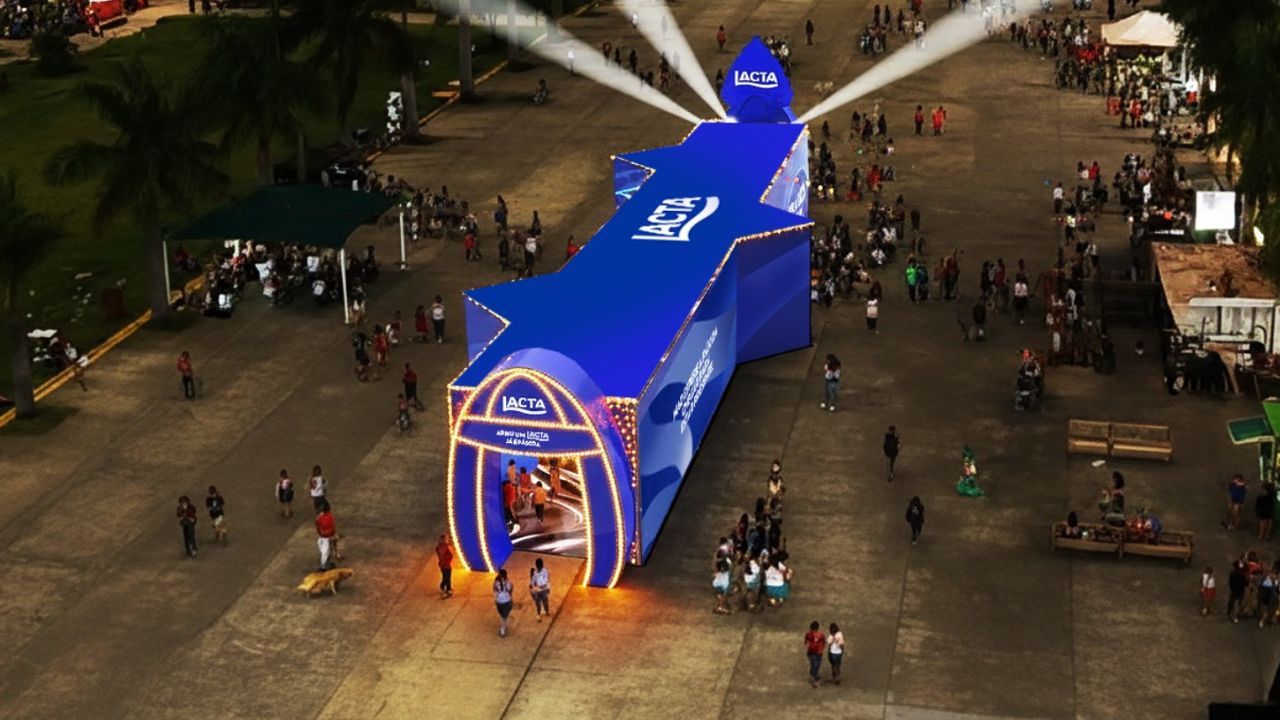
The strategy also anticipates consumption by exploring the transition between Carnival and Easter, extending the sales period. In addition, the brand invests in immersive experiences and spaces designed for social media sharing, reinforcing its digital presence.
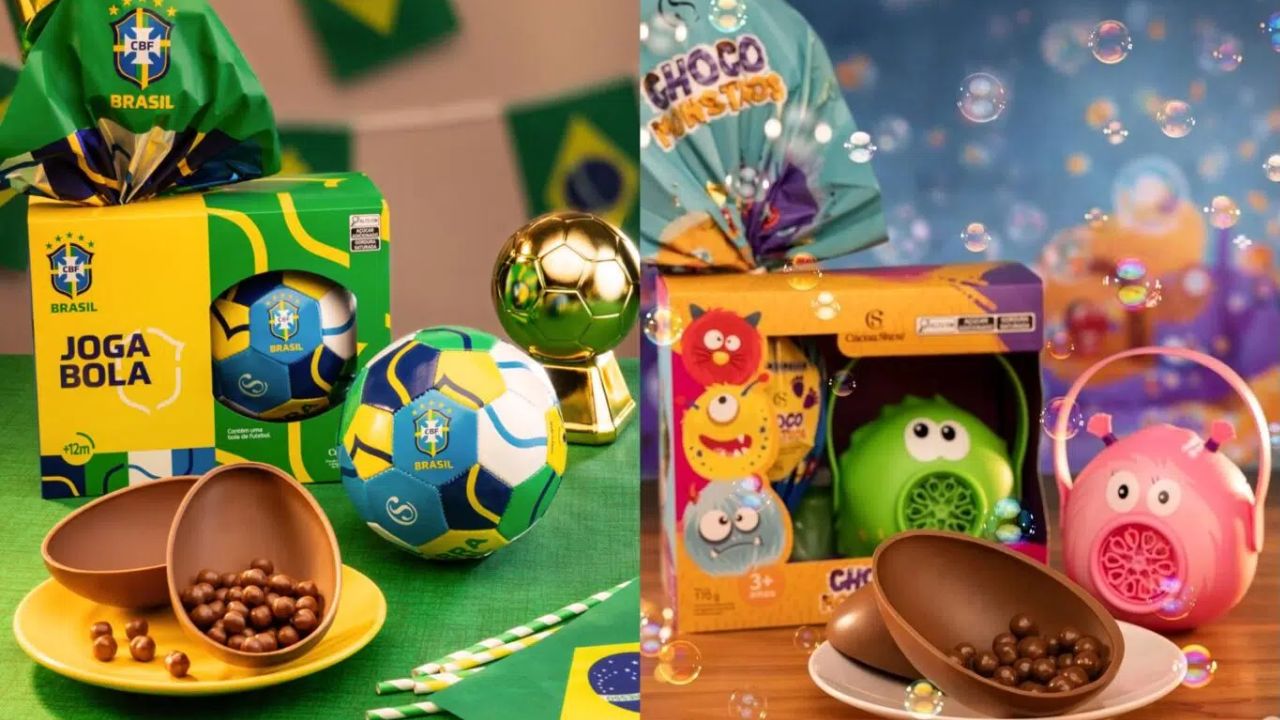
Cacau Show focuses on a strategy centered on the complete consumer experience. The brand uses sensory marketing to stimulate different senses and transform the purchase into an emotional moment, going beyond the product itself.
Bauducco adopts a different strategy by focusing on the Easter colomba as the star of the season. The brand uses tradition to expand its share of Easter, offering an alternative to traditional chocolate.
By expanding its portfolio and retail presence, the company aims to reach new audiences and strengthen its relevance during the season. The strategy combines innovation with value for money, positioning the product as both a gift and a consumption option.
Consumer behavior has changed significantly with digitalization. Today, purchase decisions begin on social media and are influenced by content, trends and recommendations, making the journey more dynamic and unpredictable.
This transformation becomes even clearer when we compare previous generations, who grew up in an analog environment, with current generations, who are fully immersed in the digital world:
Easter 2027 should follow the same evolution logic observed in 2026, with consumers becoming even more digital, demanding and price-sensitive, which requires brands to take a strategic approach that combines experience, perceived value and omnichannel presence. More than selling chocolate, brands will need to build narratives, generate desire and create real connections with the public throughout the entire purchase journey, anticipating trends and using the date’s potential to strengthen both brand and revenue.
Planning activations and communication before the traditional period increases exposure time and influences purchasing decisions more effectively.
Creating physical and digital experiences, such as activations, personalized kits or interactions, increases perceived value and engagement.
Investing in social media, creators and visual content is essential to capture attention and influence choices.
Offering affordable, mid-range and premium options expands reach and reduces lost sales caused by price.
Different flavors, innovative formats and collaborations help generate curiosity and stand out in the market.
Being present in physical stores, e-commerce and delivery increases conversion and follows current consumer behavior.
Campaigns that involve memory, family and affection create identification and increase brand value.
Analyzing trends, purchasing behavior and campaign performance helps optimize results and reduce risks.
In a scenario where speed, consistency and creativity are decisive, using tools that optimize content production becomes essential. Intellux emerges as a strategic solution for brands and professionals who need to scale their campaigns without losing quality.
With the use of artificial intelligence, it becomes possible to plan, create and execute social media strategies much more efficiently. From ideas to scripts and copy, the process becomes faster and more data-driven, reducing operational time and increasing productivity.
This allows teams to focus on what really matters: strategy, positioning and performance. In an increasingly competitive environment, using technology such as Intellux can be the difference between simply taking part in Easter and truly standing out during the season.
Continue exploring related content that might interest you