Paid traffic


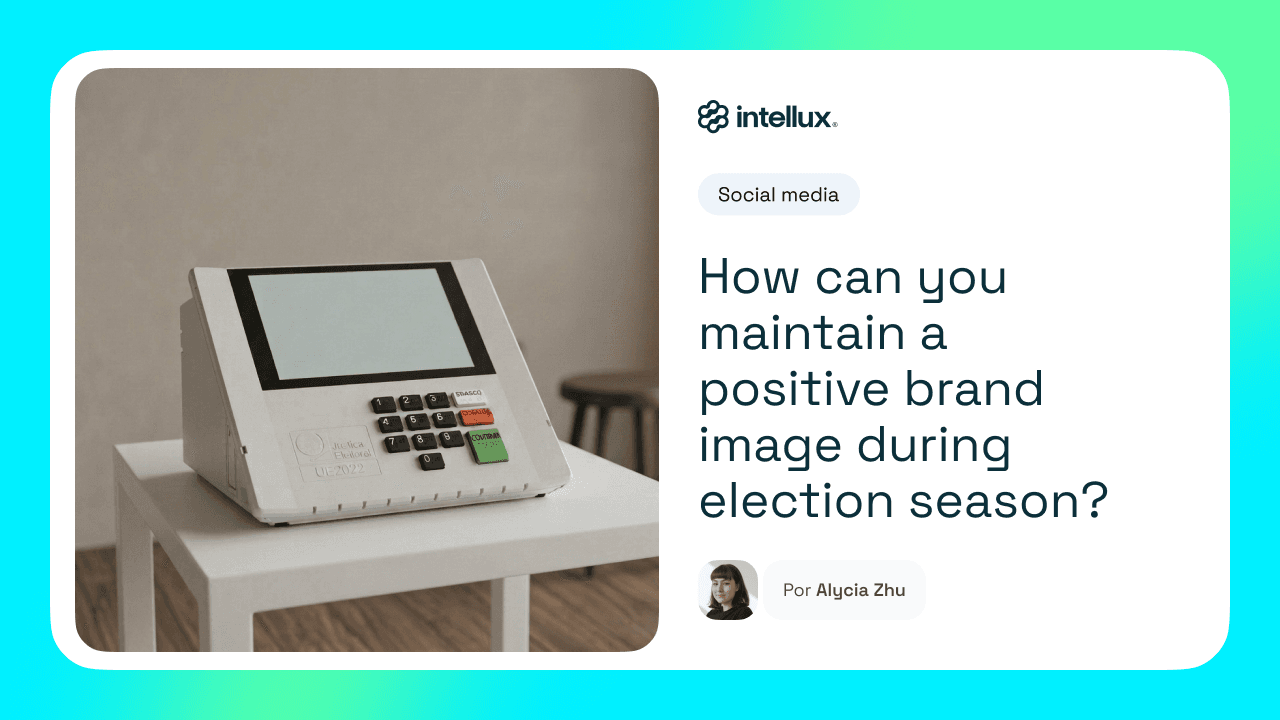
During election season, social media tends to concentrate even more discussions about politics, candidates, public policies, and current events. As a result, companies need to pay closer attention to how audiences may interpret their campaigns and content.
This does not mean brands need to pause their marketing strategies. However, some decisions that work normally throughout the year may require additional analysis during an election cycle.
In the United States, digital political advertising is also subject to specific rules and platform policies. The Federal Election Commission (FEC), for example, establishes disclosure requirements for certain paid internet communications related to federal elections. Meanwhile, platforms such as Google and Meta maintain their own requirements and safeguards for election-related advertising.
For this reason, we have selected five precautions that can help companies maintain a more consistent digital marketing strategy during election season.
Before increasing your campaign budget, monitor ad performance and understand how the election period may be affecting your industry.
Metrics such as CPC and CPM can change according to competition, audience, platform, location, and other market factors. Therefore, compare current performance with previous periods before scaling your investment.
It is also important to monitor changes in platform policies. In the United States, for example, Google allows certain election ads but requires advertisers running U.S. election ads to complete its election advertising verification process.
Therefore, analyzing paid traffic performance before increasing your budget can help your company make decisions based on data rather than available spending alone.
Elections naturally increase the volume of political conversations on social media. However, this does not mean every company needs to participate in those discussions.
Before addressing a topic, consider a simple question: is this issue actually part of the brand's positioning?
Imagine, for example, a cosmetics company built around sustainability, vegan products, and opposition to animal testing. Continuing to publish content about sustainability, animal welfare, or conscious consumption can remain consistent with the brand identity it has developed over the years.
The situation changes when a company with no established history of political, religious, or social positioning suddenly begins commenting on election-related topics simply because they are receiving attention.
In this scenario, the publication may appear opportunistic or generate interpretations that differ from what the marketing team originally intended.
Avoiding unrelated political discussions does not mean abandoning the company's principles.
If a topic forms part of the brand's mission, positioning, and everyday communication, the company can continue discussing it. After all, completely changing its communication for several months could also undermine brand consistency.
The key is coherence.
A company that has consistently communicated about sustainability can continue discussing sustainability. Likewise, brands with established social initiatives can continue sharing those projects.
However, suddenly participating in a discussion that has no connection to the business can shift attention away from the products, services, and values the company actually wants to communicate.
Therefore, before publishing, evaluate whether the topic connects to the brand's identity or whether the company is simply reacting to whatever happens to be trending that day.
Digital marketing constantly works with opportunities. A song goes viral, a meme appears, or an expression gains popularity, and brands quickly adapt that format for their own social media channels.
During elections, however, this strategy requires additional attention.
Certain phrases, numbers, colors, songs, gestures, images, and memes may acquire political associations as campaigns develop.
As a result, a reference used simply to participate in a trend may carry a completely different meaning for part of the audience.
Before adding a trend to your editorial calendar, understand where it originated and how people are currently using it.
A few questions can help with this analysis:
This simple verification process can help separate useful trends from references that may create unnecessary communication problems.
Election-related digital communications in the United States can also involve different rules depending on the type of content. At the federal level, the FEC requires disclaimers on certain paid internet public communications, while platforms maintain additional advertising requirements of their own.
Therefore, checking the origin and current meaning of a reference becomes especially important during election season.
Your company does not need to publish political content for political discussions to appear on its social media channels.
A regular post about a product, service, or everyday event can receive comments about candidates or elections even when the brand never initiated that conversation.
When that happens, arguments between users can begin taking over a space that was originally intended for brand-related content.
For this reason, community management becomes even more important during periods of increased political discussion.
Companies can establish in advance how their teams should respond to different situations.
A comment expressing a different opinion, for example, does not necessarily require the same treatment as spam, threats, personal attacks, impersonation, or content that violates a platform's community standards.
It is also helpful to establish who can respond through the official brand account and which situations require internal review before a response is published.
An internal moderation policy can establish criteria to:
Platforms also introduce election-specific safeguards and moderation procedures. For the 2026 U.S. midterm elections, for example, Meta announced that it would continue operating its Election Operations Center while maintaining measures related to scams, political advertising transparency, and AI-generated content.
While platforms have their own responsibilities and policies, brands can also establish clear rules for managing the communities they control.
Speed matters in digital marketing, but publishing first does not always mean communicating better.
During election periods, information can spread quickly through social media and reach marketing teams through videos, screenshots, interview clips, posts, or forwarded messages.
Therefore, if an election-related event actually connects to the content produced by your company, verify the information before publishing it.
Instead of relying exclusively on a social media post, try to identify where the information originated.
If the content discusses federal campaign finance rules or political advertising requirements, for example, consult information published by the Federal Election Commission. If it refers to election procedures, results, or deadlines, look for the relevant state or local election authority.
Likewise, when using statistics, check the organization responsible for the data, its methodology, publication date, and the population being analyzed.
Context also matters.
A real number can create a misleading impression when presented without its timeframe, methodology, or target population. Similarly, a few seconds taken from a longer video may not accurately represent the original statement.
Therefore, before publishing election-related information:
This precaution also applies to content created or modified with artificial intelligence.
In the United States, there is no single nationwide rule covering every use of AI-generated political content. Instead, requirements can vary by state and platform. According to the National Conference of State Legislatures, 31 states had enacted laws regulating political deepfakes as of June 2026, with rules ranging from disclosure requirements to restrictions on certain deceptive content.
Platforms can impose additional requirements as well. Google requires disclosures for certain synthetic or digitally altered content in election ads, while Meta requires advertisers to disclose certain uses of AI in ads about elections, politics, or social issues.
Therefore, besides verifying the information itself, companies should understand the origin of images, videos, and audio before incorporating them into election-related content.
Election season does not need to interrupt a company's editorial calendar or marketing campaigns. However, it introduces additional variables that marketing teams should consider.
Analyzing campaigns before increasing investments, maintaining consistent brand positioning, researching trends, moderating communities, and verifying information can all help reduce unnecessary communication problems.
Above all, brands can continue discussing topics that have always been part of their identity.
If sustainability, diversity, innovation, education, or another issue genuinely forms part of a company's values and history, election season does not require the brand to stop talking about it. The important distinction is between maintaining a consistent position and joining a discussion simply because it happens to be receiving attention.
With planning, analysis, and a clearly defined strategy, companies can keep their digital marketing active during election season while staying focused on what their brands actually want to communicate.
Continue exploring related content that might interest you