
Marketing Digital


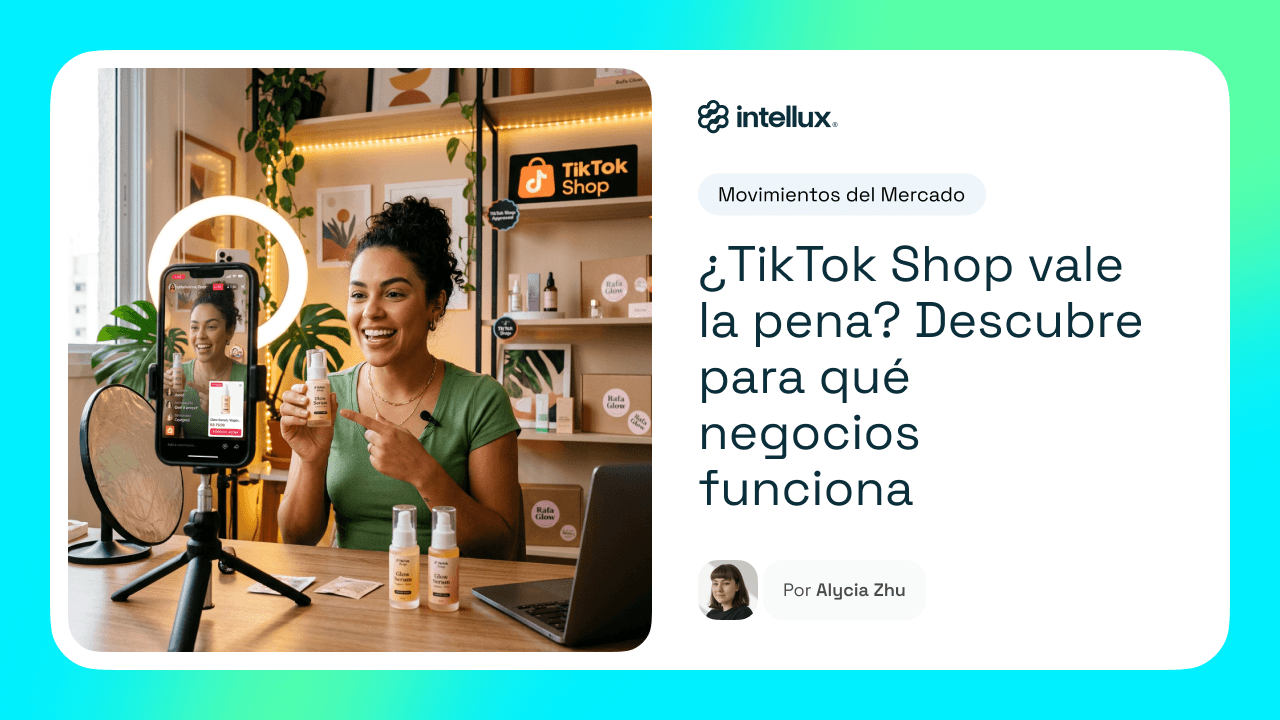
TikTok Shop transformó los videos, las transmisiones en vivo y las recomendaciones de creadores en una experiencia de compra integrada a la red social. Con el crecimiento de la plataforma en Brasil, las marcas y los profesionales comenzaron a considerar este canal como una nueva oportunidad para llegar a clientes y generar ventas.
Sin embargo, TikTok Shop no funciona de la misma manera para todos los modelos de negocio. Mientras que los productos físicos y las marcas personales afiliadas encuentran oportunidades más directas, los servicios, softwares, cursos y otros productos digitales enfrentan restricciones que impiden su comercialización dentro del marketplace.
Por eso, entender si TikTok Shop vale la pena exige analizar más que la popularidad de la plataforma. Es necesario considerar las reglas, las tarifas, los márgenes, el formato de los productos y la capacidad de producir contenido antes de decidir si el canal realmente es adecuado para el negocio.
Vale la pena principalmente para productos físicos y para marcas personales que trabajan como afiliadas. Para los servicios y productos digitales, la respuesta es diferente: no pueden venderse directamente a través de TikTok Shop Brasil, aunque TikTok continúa siendo útil para generar audiencia, demanda y leads.
Los números demuestran que existe un mercado, pero no garantizan que cualquier operación sea rentable. La rentabilidad depende del margen, el precio, la logística, la producción constante de contenido y la capacidad de trabajar con creadores.
| Modelo de negocio | ¿Vale la pena usar TikTok Shop? | Veredicto |
|---|---|---|
| Marca personal, como FLM o CGC | Sí, principalmente como afiliada | Alto potencial |
| Producto físico | Sí, dependiendo de la categoría y el margen | Mayor oportunidad |
| Servicios locales | No para vender directamente | Usa TikTok, no la Shop |
| Producto digital o SaaS | No para vender directamente | Úsalo para adquisición |
Sí, principalmente como creador afiliado y CGC.
Una marca personal no necesariamente necesita tener inventario o desarrollar un producto propio. Puede promocionar productos físicos de otras tiendas y recibir comisiones por las ventas realizadas mediante videos, transmisiones en vivo y el escaparate de productos del perfil.
En Brasil, un creador afiliado debe:
tener al menos 18 años;
contar con un mínimo de 2.000 seguidores;
presentar el CPF y un documento de identificación;
mantener la cuenta en conformidad con las políticas de la plataforma.
Los creadores aprobados pueden mostrar productos en sus perfiles, agregar enlaces de compra a los videos y vender durante transmisiones en vivo.
La propia TikTok afirma que la cantidad promedio de afiliados activos en Brasil aumentó 46 veces durante el primer año de la Shop. La plataforma también publicó casos de creadoras que generaron más de R$1 millón en GMV mediante contenido y transmisiones en vivo. Como estas cifras fueron publicadas por la propia empresa, deben entenderse como casos de éxito y no como resultados promedio garantizados.
Vale más la pena cuando la marca personal:
tiene un nicho claramente definido;
puede demostrar los productos de forma natural;
ya publica recomendaciones, reseñas o tutoriales;
tiene credibilidad entre su audiencia;
puede producir videos con frecuencia;
recomienda productos coherentes con su imagen.
Algunos ejemplos son belleza, moda, decoración, cocina, organización, tecnología, mascotas, deportes y estilo de vida.
Puede no valer la pena cuando el perfil comienza a promocionar cualquier producto únicamente para recibir una comisión. En este escenario, la marca personal corre el riesgo de convertir todo su contenido en publicidad y debilitar su autoridad. Además, compartir constantemente productos con malas evaluaciones o de calidad dudosa puede provocar varias denuncias contra el perfil.
En este contexto, evalúa qué productos realmente forman parte de tu vida y de tu rutina como creador de contenido. A partir de ese análisis, selecciona los productos que vas a promocionar. Así, aumentas las posibilidades de que la audiencia de tu perfil realmente se interese, generando más comisiones y fortaleciendo la confianza de los clientes.
Veredicto para una marca personal: vale la pena probarlo, especialmente como afiliado de productos físicos alineados con el posicionamiento de la persona. No es necesario abrir una tienda propia para comenzar a trabajar como creador.
TikTok Shop fue creada principalmente para vender productos físicos dentro de la experiencia de contenido. En Brasil, el GMV diario promedio de la plataforma aumentó 102 veces entre mayo de 2025 y mayo de 2026. La cantidad diaria promedio de transmisiones en vivo creció 20 veces, mientras que el GMV generado por las transmisiones aumentó 161 veces durante el mismo periodo.
Un análisis independiente de Momentum Works y Tabcut estimó que el GMV mensual de TikTok Shop en Brasil alcanzó los US$46,1 millones en agosto de 2025, solo tres meses después de haber llegado a US$1 millón. El estudio también demostró que la plataforma todavía era significativamente menor que Mercado Livre y Shopee, a pesar de su rápido crecimiento.
Itaú BBA llegó a clasificar el entorno competitivo brasileño como uno de los más difíciles que había observado, en parte debido a la expansión de TikTok Shop. Los datos utilizados por el banco también indicaron un GMV de US$46,1 millones en agosto de 2025.
Los productos más adecuados suelen tener:
Según EMARKETER, los productos más vendidos en TikTok Shop suelen combinar precios accesibles, atractivo para compras por impulso, tendencias y una fuerte promoción por parte de creadores. Los productos de belleza, accesorios, artículos para el hogar, moda y cosméticos se encuentran entre las categorías con mayor afinidad.
Durante su primer año en Brasil, la propia TikTok destacó los siguientes productos entre los más vendidos:
Los productos muy técnicos, costosos o que exigen una comparación racional prolongada pueden enfrentar mayores dificultades. Un artículo especializado de E-Commerce Brasil señala que los productos de belleza, gadgets, artículos para el hogar, moda accesible y productos de consumo rápido presentan una mayor afinidad, mientras que los productos técnicos y de ticket alto enfrentan ciclos de decisión más complejos.
Tampoco basta con subir el catálogo a la plataforma. El canal exige:
Tratar TikTok Shop como si fuera simplemente otro Mercado Livre o Shopee suele generar frustración, porque gran parte de la demanda debe crearse mediante el contenido.
A partir del 15 de julio de 2026, dos días después de la fecha de este análisis, la tabla oficial será:
| Precio después del descuento del vendedor | Comisión | Tarifa por artículo |
|---|---|---|
| Menos de R$50 | 10% | R$4 |
| R$50 o más | 6% | R$6 |
Hasta el 14 de julio de 2026, la comisión informada es del 6% y la tarifa por artículo es de R$4, según lo divulgado por la propia TikTok Shop.
Calculando solamente las tarifas que entran en vigor el 15 de julio:
| Precio del producto | Tarifas de la plataforma | Porcentaje efectivo |
|---|---|---|
| R$30 | R$7 | 23,3% |
| R$49,90 | R$8,99 | 18% |
| R$50 | R$9 | 18% |
| R$100 | R$12 | 12% |
| R$200 | R$18 | 9% |
Estos valores se calculan antes de descontar:
Por lo tanto, un producto muy económico y con un margen de ganancia bajo puede generar muchas ventas y, aun así, producir pocas ganancias.
¡No! TikTok Shop prohíbe:
Los alimentos empacados o preempacados y las bebidas sin alcohol pueden autorizarse cuando el vendedor cumple con las regulaciones correspondientes.
Veredicto para los productos físicos: vale la pena, especialmente para productos visuales, fáciles de demostrar, que favorecen decisiones rápidas de compra y ofrecen márgenes suficientes. Es el modelo de negocio más compatible con la plataforma.
No vale la pena intentar vender el servicio directamente dentro de la Shop
La política brasileña es clara: todos los servicios, incluidas las suscripciones, están prohibidos en TikTok Shop, independientemente de que sean físicos o virtuales.
Esto significa que no está permitido registrar como producto:
Las entradas, los cupones y los productos que funcionan únicamente como acceso a un servicio también aparecen entre los artículos prohibidos.
Es necesario diferenciar TikTok como red social de TikTok Shop como marketplace. Los profesionales que ofrecen servicios pueden utilizar TikTok como red social para:
Sin embargo, en estos casos, la conversión final ocurre fuera de TikTok Shop y la red social se utiliza como un canal de captación de clientes. Una manicurista, por ejemplo, podría vender dentro de la Shop un producto físico propio o autorizado, como un kit para el cuidado de las uñas. Sin embargo, no podría vender directamente un horario de atención.
Veredicto para los servicios: TikTok vale la pena, pero TikTok Shop no. La Shop solo puede funcionar como un canal complementario cuando el profesional también vende productos físicos.
Los productos digitales no pueden comercializarse directamente, y la propia política de la plataforma prohíbe expresamente la venta de productos como:
La prohibición afecta directamente a las martechs, empresas SaaS, cursos digitales, e-books, plantillas, aplicaciones y clubes de suscripción. Las martechs están incluidas en la prohibición de la plataforma, junto con otras startups cuyos sistemas incluyen los siguientes elementos:
TikTok como red social puede funcionar como un canal de descubrimiento, educación y generación de demanda. La estrategia consistiría en producir videos que muestren:
Las personas interesadas serían dirigidas a una landing page, una demostración del producto, un formulario o una prueba gratuita fuera de la Shop.
Esto está alineado con la lógica del social commerce descrita por McKinsey: el contenido, el descubrimiento y la comunidad reducen la distancia entre el primer contacto del consumidor con una marca y la decisión comercial. Sin embargo, la empresa debe adaptar la experiencia del cliente al formato de la plataforma.
Veredicto para los productos digitales: TikTok puede valer la pena. Sin embargo, TikTok Shop prohíbe expresamente la venta de cualquier tipo de producto digital basado en suscripciones.
La mejor forma de definirla es la siguiente: TikTok Shop no es solamente un marketplace, sino una operación de contenido, afiliados y comercio. Para los productos físicos adecuados, el potencial es real. Para los servicios y productos digitales, la oportunidad está en utilizar TikTok como medio de comunicación y canal de adquisición, no en vender directamente dentro de la Shop.
Continúa explorando contenidos relacionados que pueden interesarte