Paid traffic is a digital marketing strategy that involves investing money to display ads on online platforms with the goal of attracting qualified visitors to your website, online store, or landing page.
Unlike organic traffic, which relies on natural search rankings and spontaneous social media engagement, paid traffic delivers immediate results and precise audience targeting.
That means your brand can reach exactly the people most likely to be interested in what you offer. When properly planned, ad investments become a powerful tool for increasing visibility, generating leads, and boosting sales.
Everything Your Brand Needs Before Starting Paid Traffic
Before spending a single dollar on ads, make sure your brand has a solid foundation. A good setup not only improves your ROI but also prevents wasted ad spend. Here’s a complete checklist to prepare your brand for success:
1. A Well-Defined Visual Identity
Before you launch any ads, your brand needs to stand out visually. A professional logo, consistent color palette, and typography build trust and help your audience remember you.
A poorly applied or inconsistent visual identity can confuse potential customers and hurt credibility. Paid ads bring people in—but it’s your branding that creates recognition and trust.
Make sure your visuals are cohesive across all materials. Strong branding strengthens recall and gives your ads a more professional, trustworthy appearance.
2. An Optimized Website or Landing Page
Your website is often the final destination for paid traffic, and its structure directly affects conversions. If it’s slow or confusing to navigate, visitors will leave—no matter how good your ad is.
Fast, responsive pages with clear CTAs (calls to action) increase time on site and conversion rates, while lowering CPC (cost per click) and CAC (customer acquisition cost).
Additionally, applying SEO best practices helps ensure your paid traffic efforts also support long-term organic growth. A site that loads quickly, is mobile-friendly, and follows technical SEO standards performs better both organically and in paid campaigns.
If your site is slow or poorly organized, it can hurt not only your SEO but also your ad performance, since Google’s algorithm assesses site quality when ranking paid ads.
3. A Configured Google Business Profile
For brands looking to build authority and local presence, a Google Business Profile is essential. It places your business on Google Maps and in local search results, boosting credibility and visibility.
Keep your profile complete with up-to-date photos, accurate info, and positive reviews—this increases trust and makes users more likely to click your ads.
4. Updated Social Media Profiles
Your social media pages act as digital storefronts. Before buying, many users will check your Instagram, Facebook, or LinkedIn. If your profiles look outdated, empty, or inconsistent, trust drops fast.
Active, well-maintained profiles reinforce professionalism and amplify the impact of paid traffic. Remember: Instagram isn’t your store—it’s your showcase window. Its role is to build relationships, create a strong first impression, and nurture audience connection.
Conversions usually happen elsewhere—on your site, WhatsApp, or landing pages. That’s why inbound marketing and content marketing strategies are key: they attract, educate, and build trust so that when people finally see your ad, they’re already familiar with your brand and ready to take action.
5. Tracking Pixels and Tags Properly Set Up 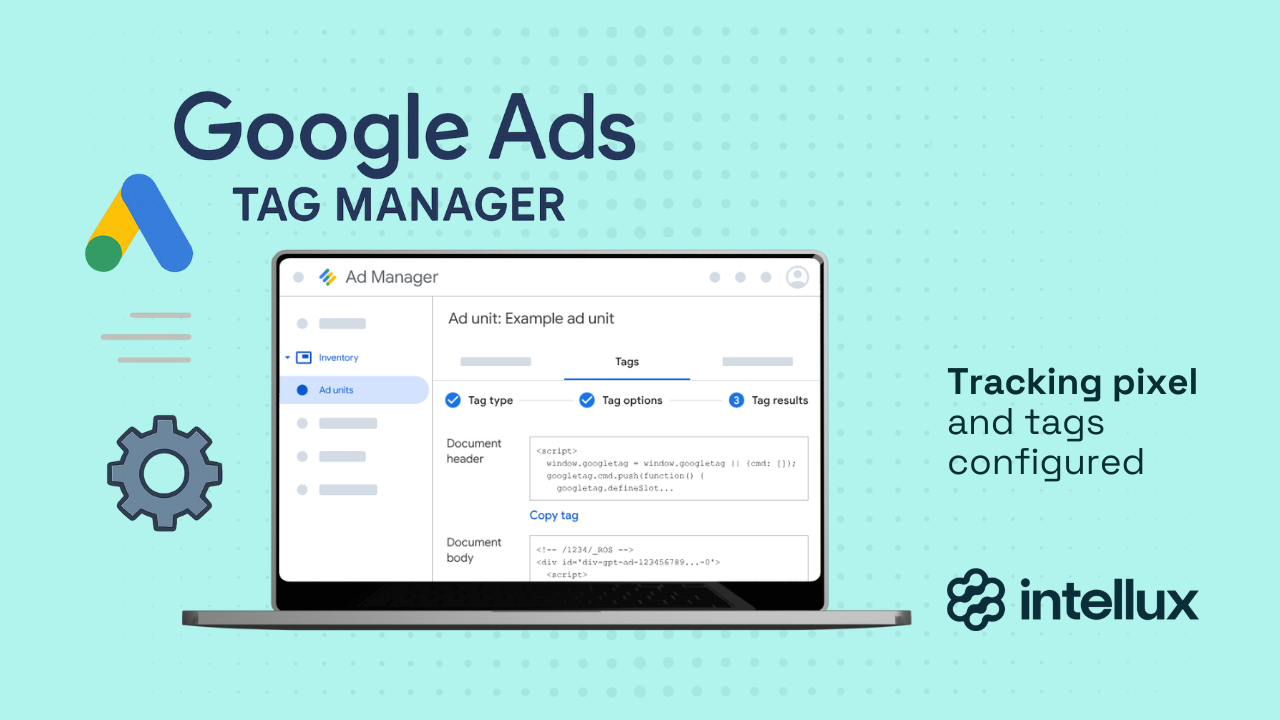
A tracking pixel is a small code installed on your site or landing page that collects data on visitor behavior—such as button clicks, form submissions, page views, and purchases.
This data is crucial for understanding what users do after clicking your ad. The pixel acts as a bridge between your website and ad platforms like Meta Ads or Google Ads, allowing you to measure results, optimize campaigns, and create custom audiences (like remarketing).
It’s also important to use tools such as Google Analytics for traffic insights and Google Tag Manager to manage multiple codes efficiently without editing your site manually.
Having everything properly configured before launching your first campaign ensures you collect data from day one. Those early insights are invaluable for understanding your audience and improving ad performance.
Tracking pixels and tags are what transform paid traffic from a guessing game into a data-driven strategy.
6. Clear Audience Planning
Before you start any campaign, you need to deeply understand your target audience—beyond age, gender, or location. Build personas, or semi-fictional representations of your ideal customers, including their behaviors, motivations, challenges, and goals.
Then, identify where they spend their time online—social media, blogs, search engines, email, etc. Knowing their digital habits helps you choose the right platforms and craft messages that resonate.
Finally, map out their pain points and needs. Position your product or service as the solution to those problems. When people feel understood and see that your brand provides real answers, trust grows—and conversions follow.
7. A Structured Sales Funnel
A clear sales funnel is vital to turn visitors into customers predictably and efficiently. It represents the journey from the first interaction to the purchase, moving through stages of attraction, engagement, and conversion.
Map out the ideal path: a user sees an ad, clicks through to a relevant landing page, and then decides to buy. Each stage should have a specific goal and message suited to the customer’s level of awareness.
Use email or WhatsApp automation to nurture leads with valuable content, build authority, and guide them naturally toward conversion. A well-built funnel reduces sales effort, improves customer experience, and increases revenue.
8. High-Value Content
Publishing valuable and consistent content is one of the most effective ways to attract and engage your audience. Posts, videos, and articles that inform, inspire, or solve problems help educate consumers and position your brand as a trusted authority.
This type of content boosts credibility and SEO performance, reduces CPC, and makes paid ads more effective—since your audience already recognizes and trusts your brand.
Keep a steady publishing schedule. Plan topics around your audience’s pain points and interests, and diversify formats—blogs, short videos, infographics, eBooks—to reach people at different funnel stages.
9. Competitor Analysis and Benchmarking
Understanding what your competitors are doing is key to standing out. Analyzing their strategies reveals what works in your industry and where your brand can innovate.
Look at their positioning, tone of voice, content types, channels, and engagement. Benchmarking takes it further by comparing your actions to industry best practices, helping you refine your approach based on real data.
Since consumer behavior and marketing trends shift quickly, make competitor monitoring a continuous habit. It keeps your brand relevant, competitive, and ready to seize new opportunities.
10. Clear Budget and Goals
A marketing plan only works when you have a clear budget and measurable goals. Define how much you can invest and where that money will go. Smart financial planning ensures efficiency and sustainable returns.
Then, establish concrete targets—like traffic growth, lead generation, or sales increase—with specific timelines and metrics. Track indicators like CPC (Cost per Click), CPL (Cost per Lead), and ROI (Return on Investment) to evaluate what’s working and refine your strategy.
When every action is tied to clear data, your campaigns gain purpose and measurable impact on your business growth.
Where to Invest in Paid Traffic Today
There are several platforms that allow targeted, strategic advertising—each with its own strengths and ideal use cases:
- Google Ads: Best for driving direct conversions. Reaches users actively searching for what you offer. Ideal for e-commerce, local businesses, and service providers.
- Meta Ads (Facebook & Instagram): Focused on reach and brand awareness with detailed targeting by interests, behavior, and location. Great for businesses wanting to boost visibility and engagement.
- LinkedIn Ads: Perfect for B2B and professionals building market authority. Target by job title, industry, or company size. Ideal for consultancies, SaaS, and educational products.
- TikTok Ads: Great for reaching younger audiences with creative, high-impact videos. Perfect for brands in fashion, beauty, gaming, and entertainment.
- YouTube Ads: Video-focused platform for brand storytelling and audience education. Strengthens authority and recognition.
- Pinterest Ads: Excellent for lifestyle brands—fashion, décor, beauty, food, and travel. Users come seeking inspiration, making it ideal for mid- and long-term strategies.
- X Ads (formerly Twitter): Best for real-time conversations, trending topics, and event-based campaigns.
- Microsoft Ads (formerly Bing Ads): A strong, lower-CPC alternative to Google Ads. Useful for reaching corporate or Bing-based audiences.
Each platform demands a tailored approach, but the key is to start where your audience is most active. When done strategically, diversifying your investments broadens your reach and boosts your return.
Conclusion
Starting with paid traffic is about much more than just “boosting posts.” It’s a strategic process that requires understanding your audience, building a solid digital foundation, and using data intelligently.
When your strategy is well structured, ads stop being an expense and become an investment that delivers predictable returns.
Following this checklist ensures your brand is ready to grow consistently—strengthening your online presence and generating real business opportunities.
Paid traffic is powerful—but the real magic lies in how it’s planned and executed.
Ready to start the right way?
At Intellux, we help businesses turn clicks into measurable results. Our team builds tailored paid traffic strategies that combine data analysis, creativity, and intelligent automation. Get in touch and discover how we can help your brand grow with campaigns that truly convert.